Do You Need Bond Repair Products? A Dermatologist-Style Guide to How They Actually Work
Bond repair products promise stronger hair, but do they work, and do you need them? A clear guide to hair bonds, damage types, and when to use them.
Bond repair products rebuild or support broken bonds inside damaged hair. They're most useful for bleached, coloured, heat-styled, or otherwise stressed hair, and less essential for natural, low-manipulation routines. For best results, use them 1–2 times weekly alongside gentle handling.
Ever sat there wondering why your hair looks fine one week and feels fragile the next? One minute it's shiny and cooperative, the next it's dry, tangled, snapping, and acting like it has a personal vendetta against you.
That's usually when bond repair products enter the chat. If your hair needs support with breakage, heat damage, bleaching, colouring, or roughness, bond repair products are designed to help with the internal damage that normal conditioners can't always reach.
What Are Bond Repair Products?
Bond repair products are hair treatments made to help rebuild, reinforce, or support damaged bonds inside the hair fibre. They're most often used for hair that has been weakened by chemical services, heat styling, colouring, or environmental stress.
The short version is simple: these products are not just about making hair feel softer for a day. They're aimed at helping hair behave better by improving the structural damage underneath the surface.
If your hair is already in a strong, low-manipulation routine, you may not need heavy bond repair as often. But if your hair is visibly fragile, bond repair products can be a smart add-on rather than just another trend.
How Hair Bonds Work
Hair is built from keratin, and its strength depends on several types of bonds working together. The key ones most people hear about are peptide, hydrogen, disulfide, ionic, and lipid-related bonds or layers.
• Peptide bonds form the protein backbone of hair.
• Hydrogen bonds help with temporary shape and styling.
• Disulfide bonds are important for strength, curl pattern, and resilience.
• Ionic bonds help internal stability and are affected by pH.
• Lipid layers help protect the cuticle and reduce moisture loss.
A useful way to picture it is this: the bonds are the framework holding your hair together, while the lipid layer acts like a protective shield on the outside. When that system is damaged, hair starts to feel weaker, drier, and harder to manage.
Signs Your Hair Needs Bond Repair
If you're unsure whether bond repair products are worth it, this checklist can help. Your hair may need bond repair products if it:
• Breaks easily when brushing or detangling.
• Feels stretchy, mushy, or overly soft when wet.
• Looks dull, rough, or porous.
• Has been bleached, highlighted, dyed, relaxed, or permed.
• Is damaged from frequent straightening, curling, or blow-drying.
• Feels more tangled and frizzy than usual.
• Struggles to hold curl pattern or style.
• Has been exposed to chlorine, sun, or repeated mechanical stress.
If several of these apply, bond repair products are more likely to help. If none of them applies, you may be better served by moisturising, strengthening, or low-manipulation care instead.
What Damages Hair Bonds?
Hair damage typically originates from four primary sources: chemical, thermal, mechanical, and environmental stress. Bleaching, colouring, and relaxers can weaken the internal structure, while heat styling and UV exposure can exacerbate existing damage.
That's why bond repair products are often recommended after repeated salon services or daily styling habits. They're not magic, but they can support hair that has been under constant pressure. This is also why the wording matters. Heat styling, colouring, and environmental stress are not small issues; when they happen repeatedly over time, they add up.
Olaplex vs K18 vs Redken Acidic Bonding
This is one of the biggest searches around bond repair products, and for good reason. These three names get compared constantly because they each approach damage a little differently.
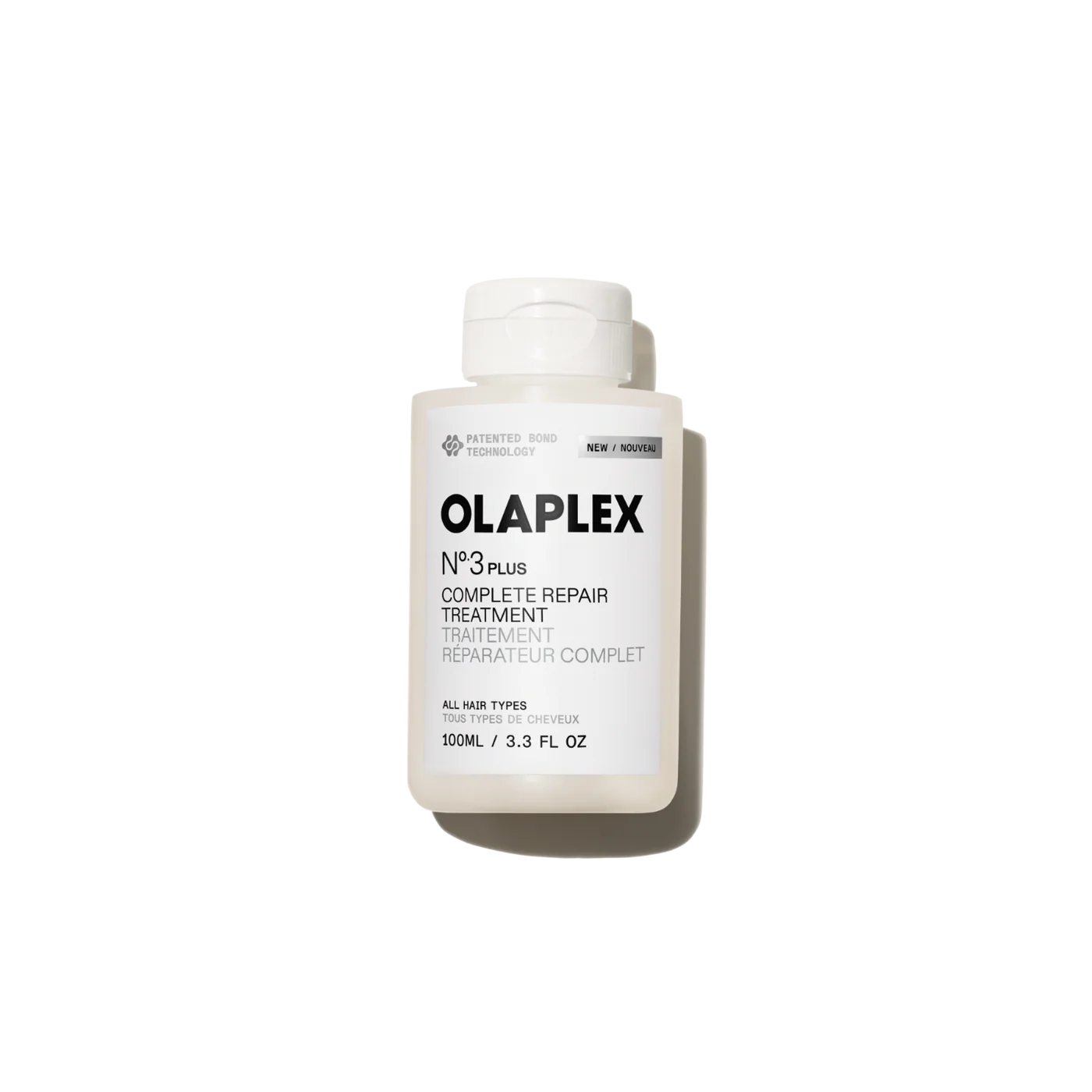
• Olaplex No.3 Plus — Bond-building, especially disulfide support. Best for bleached or chemically stressed hair. Used as an at-home treatment before shampoo. Buy on Amazon: https://amzn.to/4vORtmk
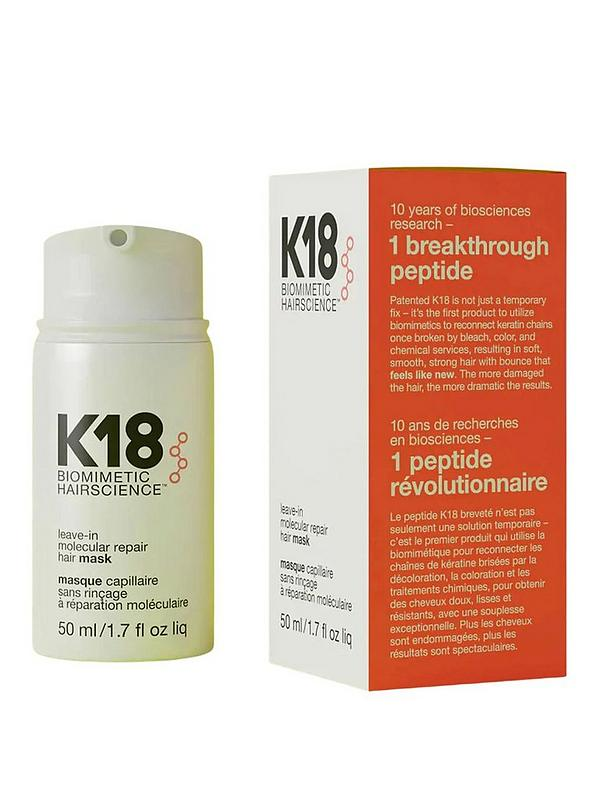
• K18 Leave-In Molecular Repair Hair Mask — Peptide-based repair. Best for very damaged hair needing a quick fix. Leave-in with a 4-minute application time. Buy on Amazon: https://amzn.to/4eJBnEq
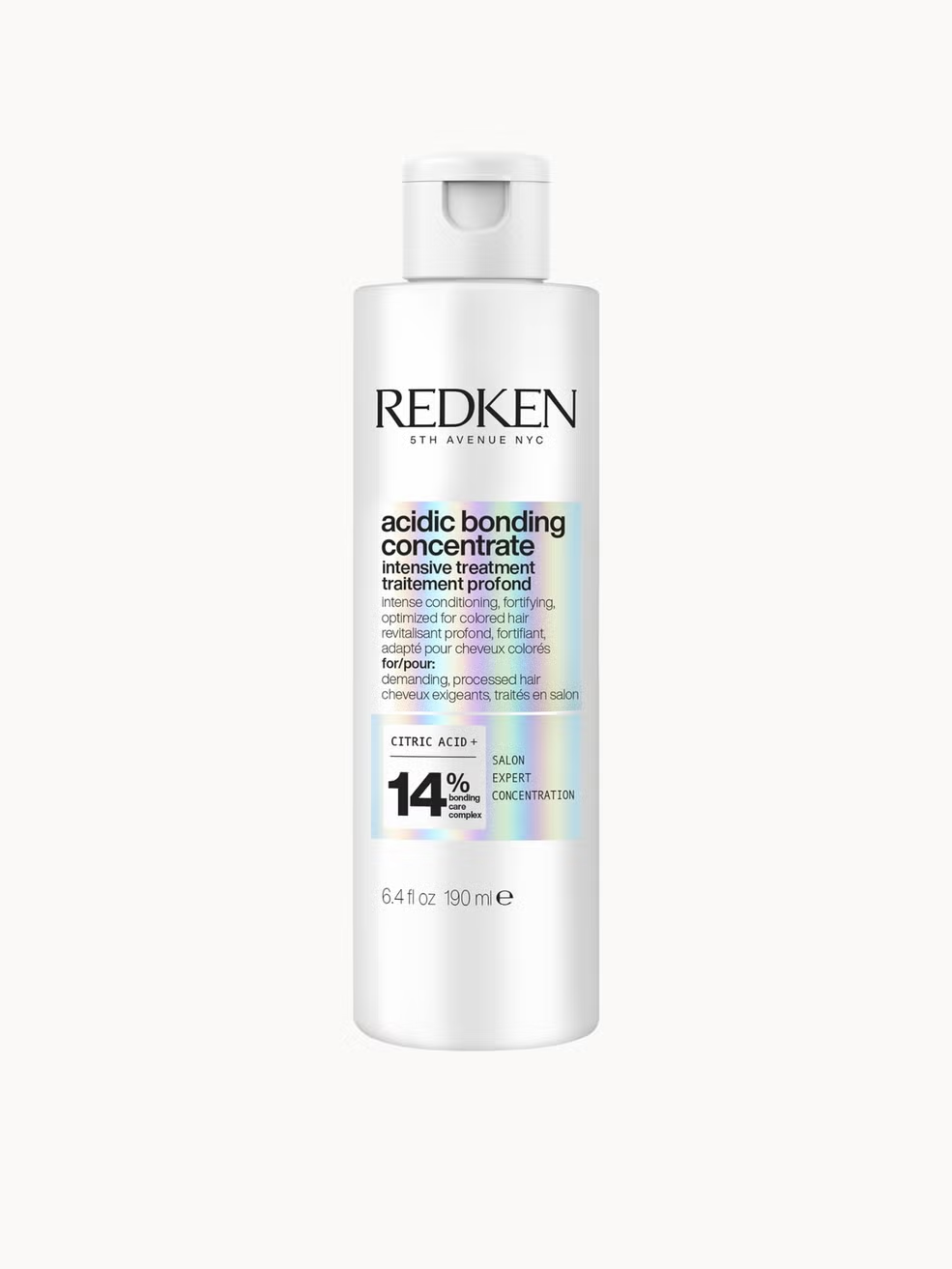
• Redken Acidic Bonding Concentrate — pH support and strengthening. Best for maintenance, smoother-feeling hair, and colour care. Easy to slot into a regular wash routine. Buy on Amazon: https://amzn.to/44cuLbC
A simple way to think about it: Olaplex is often associated with bond-building, K18 with peptide-based repair, and Redken Acidic Bonding with a more pH-focused maintenance approach. Different hair types may respond differently, so the best choice depends on the kind of damage you actually have.
How Long Do Results Last?
Bond repair results don't last forever, which is why regular use matters. Hair keeps getting exposed to the same stressors every day: washing, brushing, heat, UV, colour, and friction so even a good treatment can't "finish the job" once and for all.
For most people, the benefit is cumulative. That means you may notice an immediate improvement in feel or manageability, but the bigger change comes from continued use over time.
In practice, many people use bond repair products weekly or a couple of times per week, depending on how damaged the hair is and how much stress it's under.
Can You Use Bond Repair on Natural or Curly Hair?
Yes, bond repair products can be useful on natural and curly hair too. Curly and coily hair often experiences more friction, tangling, dryness, and manipulation, which can make bond support helpful even without bleach or colour.
That said, if your curls are healthy and low-manipulation, you may not need intensive bond repair all the time. In that case, a lighter maintenance routine may be enough, with bond repair used only when hair starts showing signs of stress.
The key is not the hair type alone. It's the condition of the hair and how much damage it has been through.
How to Use Bond Repair Products
Bond repair products work best when they're matched to your hair's needs, not thrown into a routine at random. A simple routine might look like this:
• Shampoo if the product requires clean hair. • Apply the bond repair treatment as directed. • Follow with a moisturising conditioner or mask if the formula allows it. • Keep heat styling and rough handling to a minimum.
If your hair is already prone to dryness, pairing bond repair with moisture support is usually the sweet spot. Strength without softness can leave hair feeling stiff, so balance matters.
Recommended Use Cases
Bond repair products make the most sense if your hair has been through:
• Bleaching or lightening.
• Permanent colour.
• Relaxers or chemical straightening.
• Frequent heat styling.
• Chlorine or sun exposure.
• Repeated detangling or mechanical wear.
They're less essential if your hair is virgin, low-heat, and generally well-protected. In that case, prevention may matter more than repair.
FAQ
Do bond repair products really work? They can help improve the feel, strength, and manageability of damaged hair, especially when the hair has been through chemical or heat stress.
Are bond builders the same as protein treatments? No. They can overlap in purpose, but bond repair products are usually aimed at internal structural support, while protein treatments focus more on reinforcement.
How often should I use bond repair products? Many people use them once or twice weekly, but the ideal frequency depends on how damaged the hair is and how the formula is designed.
Can I use bond repair with colour-treated hair? Yes. In fact, colour-treated hair is one of the most common use cases for bond repair products.
Do I still need conditioner? Usually yes. Bond repair and conditioning serve different purposes, and many routines work better when both are included.
Which is better: Olaplex vs K18? It depends on your hair and your routine. Olaplex, K18, and Redken Acidic Bonding all target damage differently, so the best choice depends on what kind of support your hair needs.
Final Word
Bond repair products are most useful for hair that needs support with breakage, heat damage, chemical processing, or ongoing stress. They are not essential for every routine, but for the right hair, they can make a noticeable difference in strength, feel, and resilience.
Not sure if your hair actually needs bond repair products? Take the 2-minute quiz.
Find your perfect haircare routine
Answer a few questions and we'll tailor Radiant Eden's picks to you.
Build my haircare routineKeep reading
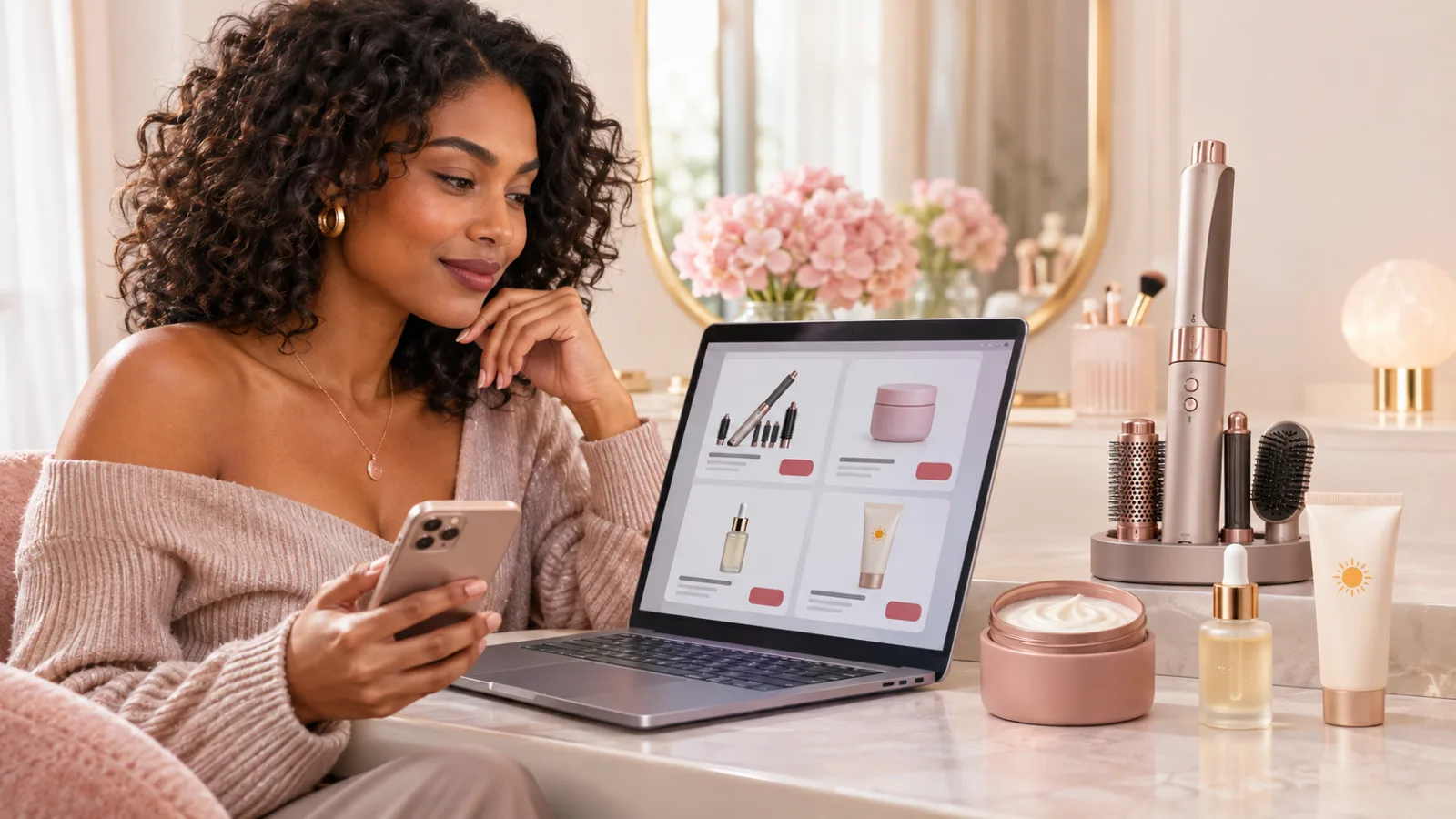
The Best Amazon Black Friday Beauty Deals to Watch in 2026
Discover which Amazon Black Friday skincare, haircare and beauty tool deals are worth watching, plus how to recognise a genuine saving.
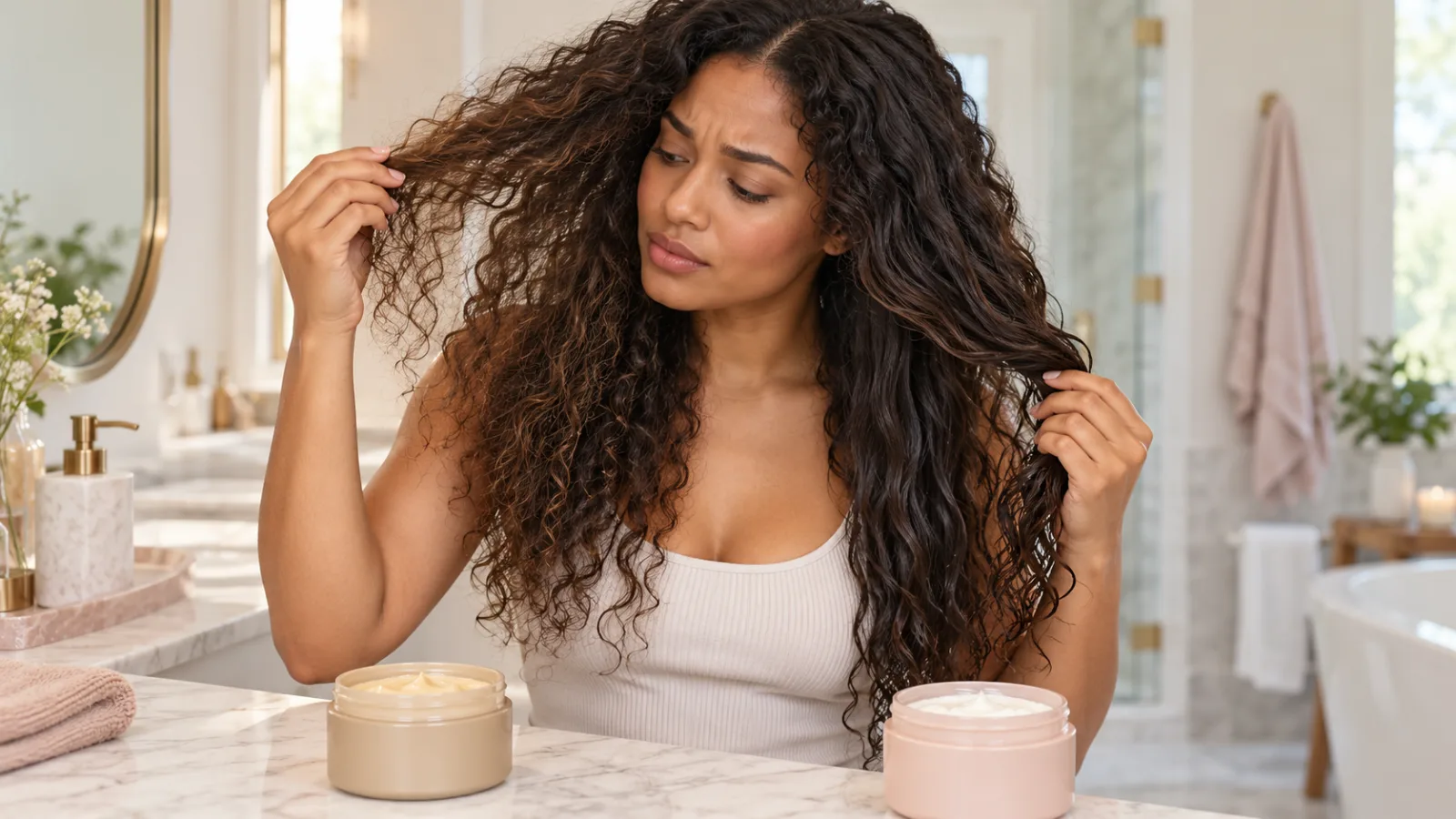
Protein Overload vs Moisture Overload: Signs and How to Fix Your Hair
Learn how to distinguish too much strengthening support from overconditioning, product build-up and structural hair damage—and reset your routine.
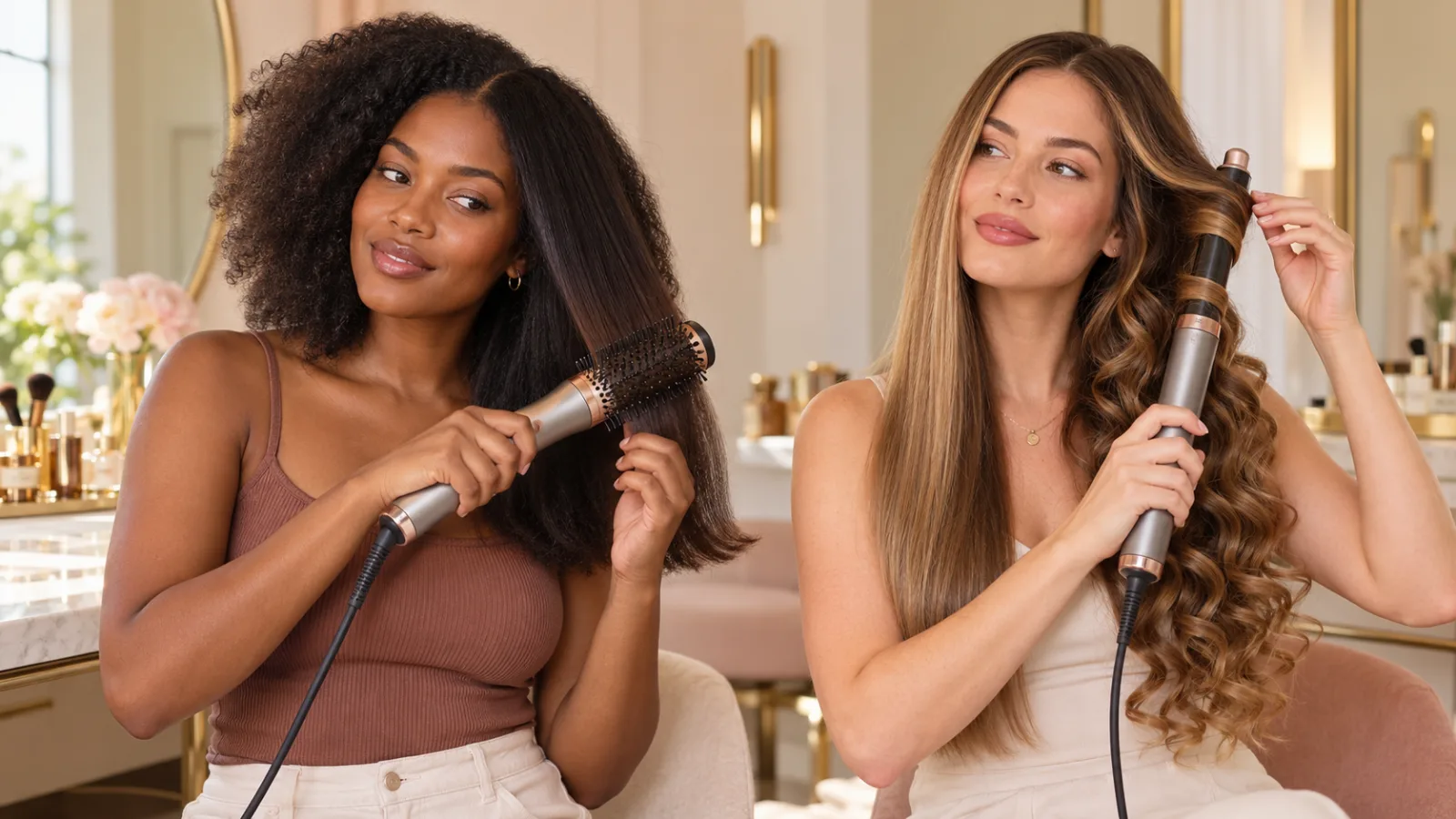
How to Choose a Premium Multi-Styler: Dyson Airwrap vs Shark FlexStyle
A hands-on guide to choosing between Dyson Airwrap and Shark FlexStyle multi-stylers, based on gentleness, speed, attachments and value.