Best Hair Masks for Bleached and Chemically Damaged Hair
Four targeted treatments for breakage, dryness and porous hair—plus how to use them without overloading your strands.
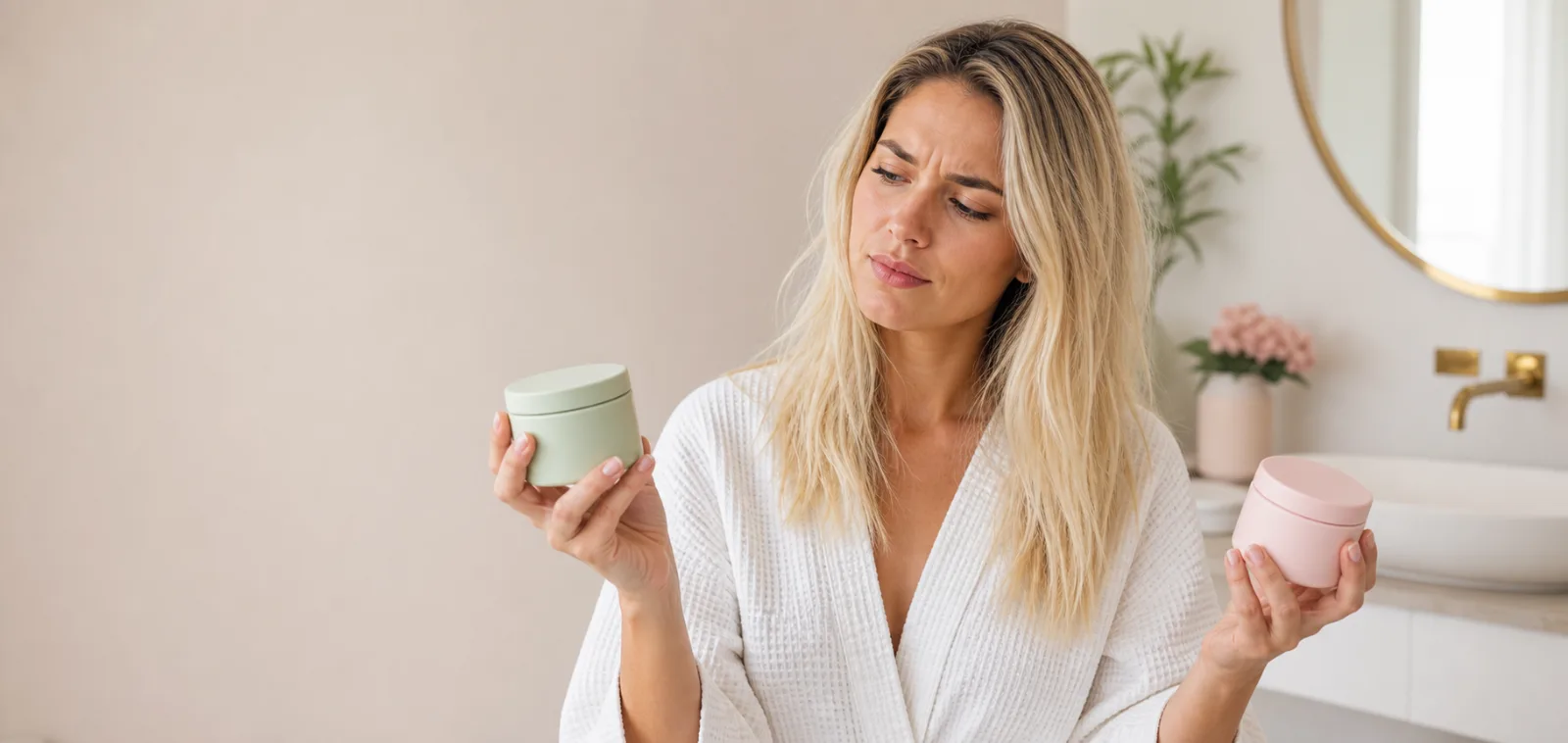
Choose the right mask for bleached or chemically damaged hair, with targeted options for breakage, dryness, porosity and fine strands.
Editor's shortlist


Bleaching, colouring, relaxing and other chemical services can leave hair rough, porous, dry and vulnerable to breakage. The right treatment should improve strength or restore lost softness—but not every damaged strand needs the same type of mask.
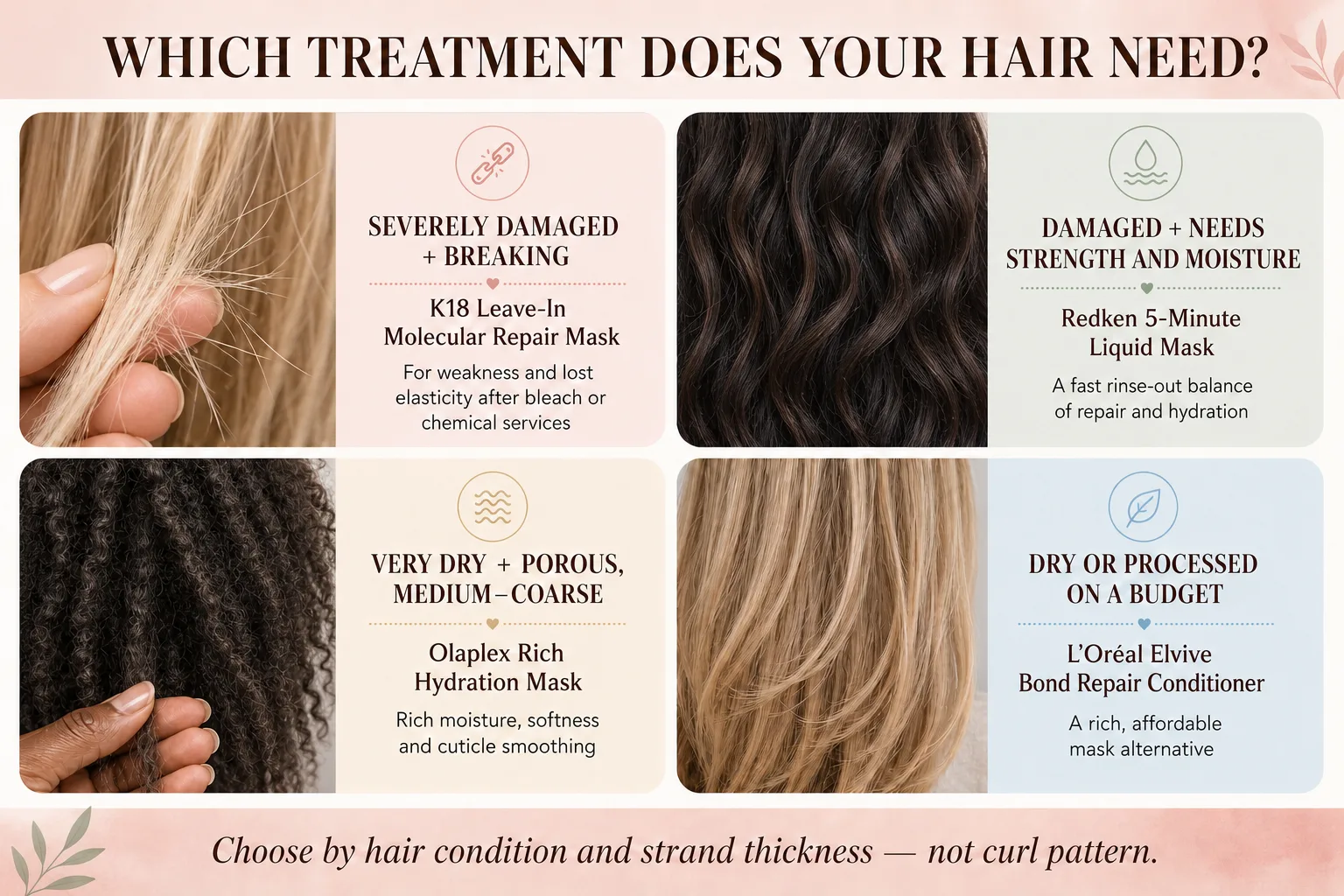
Choose according to your hair’s condition and strand thickness, not whether it is straight, wavy, curly or coily.
What Does Chemically Damaged Hair Need?
Look at how your hair behaves:
- Breaking, overstretched or unusually weak: prioritise a bond-repair or strengthening treatment.
- Rough, tangled and extremely dry: choose a richer moisturising mask.
- Dry and breaking: alternate repair and moisture rather than layering several strengthening treatments together.
- Fine and easily weighed down: use less product and treat less frequently.
- Medium, coarse or high-porosity: a richer mask may be more suitable.
No mask can permanently fuse split ends or restore hair that has been severely degraded. Regular trims, gentler detangling and protection from further chemical and heat damage still matter.
Best for Intensive Repair: K18 Leave-In Molecular Repair Hair Mask
K18 Leave-In Molecular Repair Hair Mask is my first choice for hair that has been significantly weakened by bleach, colour or chemical services.
Unlike a traditional rinse-out mask, K18 is applied after shampooing and left in. The technique matters:
- Shampoo your hair, but do not condition.
- Towel-dry thoroughly.
- Apply one to three pumps, adjusting the amount for your length and density.
- Wait for the full four minutes.
- If your hair needs more softness, apply a rinse-out conditioner or moisturising mask directly over the K18.
- Leave the conditioning product on for the time stated on its label, then rinse and style.
This is the way I recommend using K18 on hair that needs both repair and conditioning. Waiting four minutes first allows K18 to work without a conditioner coating the hair. You can then add the softness and slip your strands need.
Best for: Noticeable weakness, loss of elasticity or breakage following bleach or chemical processing.
Best Quick Rinse-Out Mask: Redken Acidic Bonding Concentrate 5-Minute Liquid Mask
Redken Acidic Bonding Concentrate 5-Minute Liquid Mask combines strengthening support with hydration in a treatment that takes only five minutes.
It is a practical choice if you want one rinse-out product rather than separate repair and moisture treatments. Apply it to clean, wet hair from the mid-lengths to the ends, leave it for five minutes and rinse thoroughly.
Because it is concentrated, fine hair should begin with a small amount. A mask normally replaces your regular conditioner on the day you use it.
Best for: Damaged hair needing a fast balance of strength, softness and easier detangling.
Best for Dry, Medium-to-Coarse Hair: Olaplex Rich Hydration Mask
Bleached hair is often highly porous and unable to retain moisture. Olaplex Rich Hydration Mask is the strongest choice here when dryness, frizz and roughness are more noticeable than stiffness or protein loss.
This rich, protein-free mask was developed for dry, medium, thick and coarse strands. It focuses on hydration, cuticle smoothing, shine and breakage protection, making it a useful complement to a dedicated repair treatment.
Apply it after shampooing, concentrate it on the damaged lengths and ends, leave it on for three to five minutes and rinse well. Use it weekly in place of conditioner.
Very fine hair may find it too rich and should choose a lighter conditioner or use a very small amount.
Best for: Dry, porous, medium-to-coarse bleached hair that needs moisture and smoothness.
Best Affordable Mask Alternative: L’Oréal Elvive Bond Repair Conditioner
L’Oréal Elvive Bond Repair Conditioner is technically a rinse-out conditioner, but its thick, rich texture makes it a useful affordable alternative to a separate hair mask.
The manufacturer recommends leaving it on for three minutes. For an occasional, more intensive conditioning treatment, apply it generously to the damaged lengths and leave it for around six minutes—approximately double the usual time—before rinsing thoroughly.
The longer time may improve the conditioning feel, softness and slip. It should not be presented as increasing bond repair: L’Oréal’s repair claims are based on the conditioner being used for three minutes as part of the complete Bond Repair routine.
Fine hair should start with the standard three minutes because the rich formula may reduce volume.
Best for: An affordable, rich conditioning treatment for dry or chemically processed hair.
How Often Should You Use a Mask?
Start with once a week and adjust according to how your hair responds.
Use less often if your hair becomes heavy, coated, stiff or difficult to style. Very damaged, coarse or high-porosity hair may benefit from weekly treatment, while fine hair may prefer a mask every two to four washes.
Unless the instructions say otherwise, use a rinse-out mask instead of conditioner—not before or after it.
The Quick Verdict
Choose K18 for intensive post-chemical repair, Redken for a fast balance of repair and hydration, and Olaplex Rich Hydration Mask when medium-to-coarse bleached hair primarily needs moisture.
Choose L’Oréal Elvive Bond Repair Conditioner when you want an affordable, mask-like conditioning treatment.
Build a complete routine around your scalp, strand thickness and damage level with the Radiant Eden Hair Routine Quiz.
Related products
Frequently asked
Can I use a hair mask after K18?+
Should chemically damaged hair use protein or moisture?+
How often should bleached hair use a mask?+
Does a hair mask repair split ends?+
Find your perfect haircare routine
Answer a few questions and we'll tailor Radiant Eden's picks to you.
Build my haircare routineKeep reading
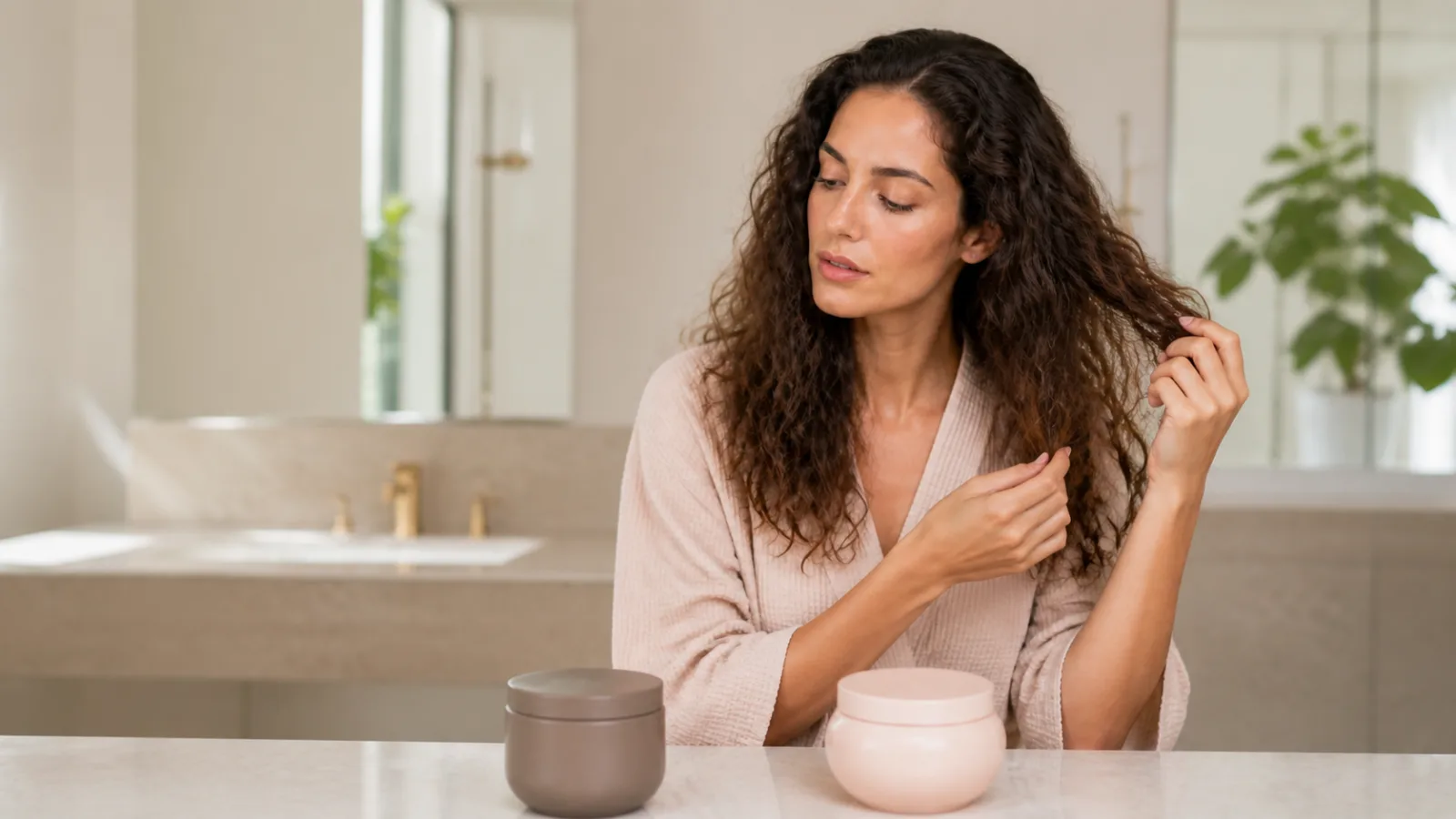
Protein or Moisture? How to Choose the Right Hair Mask
Learn whether your hair needs a protein, moisturising or balanced mask, with practical recommendations for different strands and damage levels.
Do You Need Bond Repair Products? A Dermatologist-Style Guide to How They Actually Work
Bond repair products promise stronger hair, but do they work, and do you need them? A clear guide to hair bonds, damage types, and when to use them.
Best Hair Masks for Dry, Low-Porosity Hair Without Heavy Build-Up
Find the best lightweight masks for dry, low-porosity hair, with options for fine, medium and coarse strands that rinse away cleanly.