Protein or Moisture? How to Choose the Right Hair Mask
A simple guide to choosing between moisture, strengthening and balanced treatments without overloading your hair.
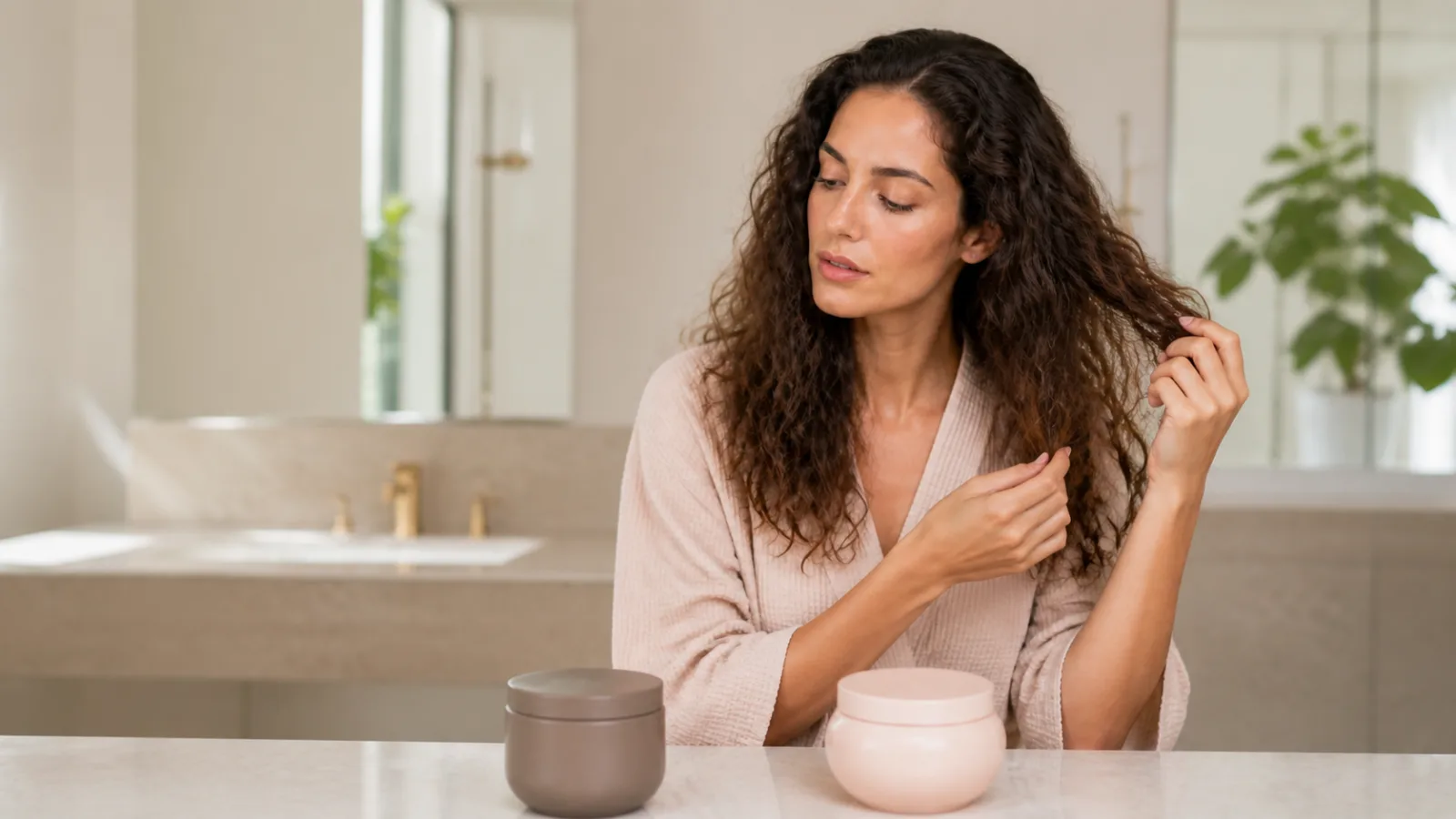
Learn whether your hair needs a protein, moisturising or balanced mask, with practical recommendations for different strands and damage levels.
Editor's shortlist


Hair that feels dry, rough or breaks easily does not automatically need protein. Sometimes it needs better conditioning. Sometimes structural damage makes a strengthening treatment useful. Often, it needs a sensible balance of both.
Here is how to choose without relying on unreliable “strand tests” or assuming that every bad hair day means protein overload.
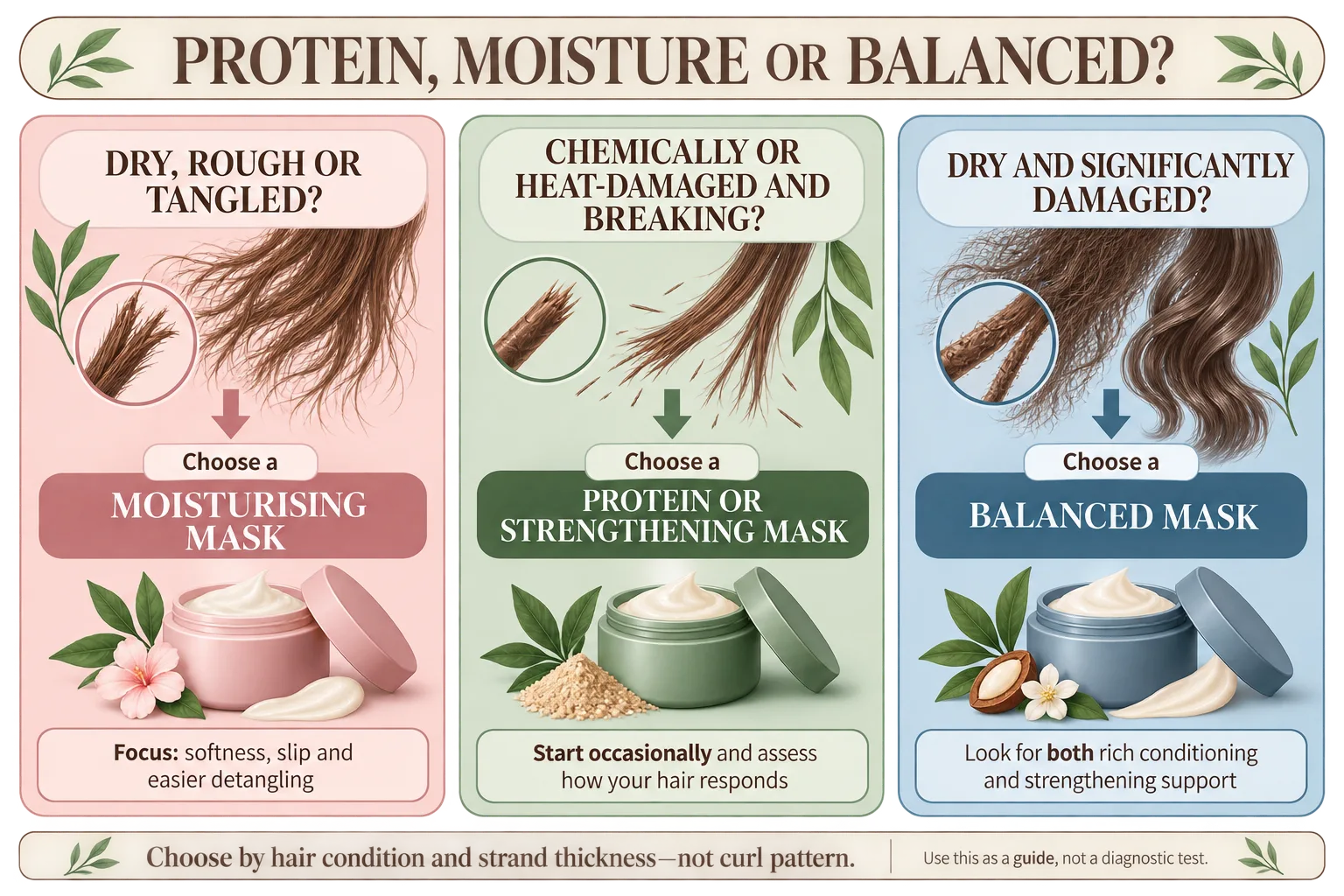
The short answer: Choose moisture when hair mainly feels dry, tangled or rough. Consider protein when it has been weakened by bleach, relaxers, permanent colour or frequent heat. If you have both dryness and significant damage, try a balanced mask.
What Does a Moisturising Mask Do?
Moisturising masks use conditioning agents, humectants, oils and emollients to reduce friction and make hair feel softer and easier to detangle.
Choose one when your hair:
- feels rough, dry or difficult to detangle;
- lacks softness and flexibility;
- develops knots easily;
- becomes frizzy in dry conditions; or
- has not been significantly chemically damaged.
Conditioning does not permanently repair split or severely damaged hair, but reducing friction can help prevent additional breakage.
What Does a Protein Mask Do?
Protein treatments commonly contain hydrolysed keratin, wheat, rice, silk or other protein fragments. These ingredients may temporarily attach to damaged areas or penetrate parts of the hair shaft, improving strength and conditioning until they are gradually washed away. Their effects are supportive rather than permanent.
Consider protein when your hair:
- has been bleached, relaxed, permed or repeatedly coloured;
- has substantial heat damage;
- breaks despite adequate conditioning and gentle handling;
- feels unusually weak when wet; or
- has difficulty retaining length because damaged strands keep snapping.
Protein will not treat shedding from the scalp or a medical cause of hair loss.
Do Not Rely on the “Stretch Test”
Online advice often recommends stretching a wet strand to diagnose whether hair needs protein or moisture. The result is affected by water, previous damage, strand thickness and how firmly you pull.
A better approach is to consider your treatment history, strand thickness and how your hair responds after several washes.
My Hair-Mask Picks
Best for Low-Porosity Hair: TGIN Rose Water Hydrating Hair Mask
The TGIN Rose Water Hydrating Hair Mask is a protein-free option for low-porosity hair that needs moisture and slip without an unnecessarily strengthening formula.
It can work for straight, wavy, curly or coily hair. “For curls” is marketing, not a rule about who can use the ingredients. Fine hair should begin with a small amount and rinse thoroughly.
Best for Very Dry, Coarse or High-Porosity Hair: SheaMoisture Manuka Honey & Mafura Oil Masque
The SheaMoisture Manuka Honey & Mafura Oil Intensive Hydration Masque is a rich, protein-free mask suited to coarse, very dry or high-porosity hair.
Its weight makes it less suitable for fine strands or hair that becomes coated easily.
Best Protein-Rich Mask for Damaged Hair: Moroccanoil Restorative Hair Mask
The Moroccanoil Restorative Hair Mask combines proteins with argan oil and conditioning ingredients.
It is best reserved for weakened, chemically processed or heat-damaged hair rather than used automatically because hair feels dry. Alternate it with a moisturising conditioner if frequent use leaves your hair stiff or difficult to style.
Best Balance of Moisture and Strengthening: Briogeo Don’t Despair, Repair!
The Briogeo Don’t Despair, Repair! Deep Conditioning Mask offers rich conditioning with moderate strengthening support.
This is the most straightforward choice when damaged hair also feels very dry, although its richer texture may overwhelm fine or low-porosity strands.
What About Bond-Repair Masks?
Bond repair and protein are not the same thing.
A bond-support product may target some of the chemical links within damaged hair, while a protein treatment deposits or delivers protein-derived fragments. A product can provide both strengthening and conditioning, but the words “repair” or “bond” do not prove that it contains protein.
Always check the actual formula rather than relying on the name on the jar.
How Often Should You Use a Mask?
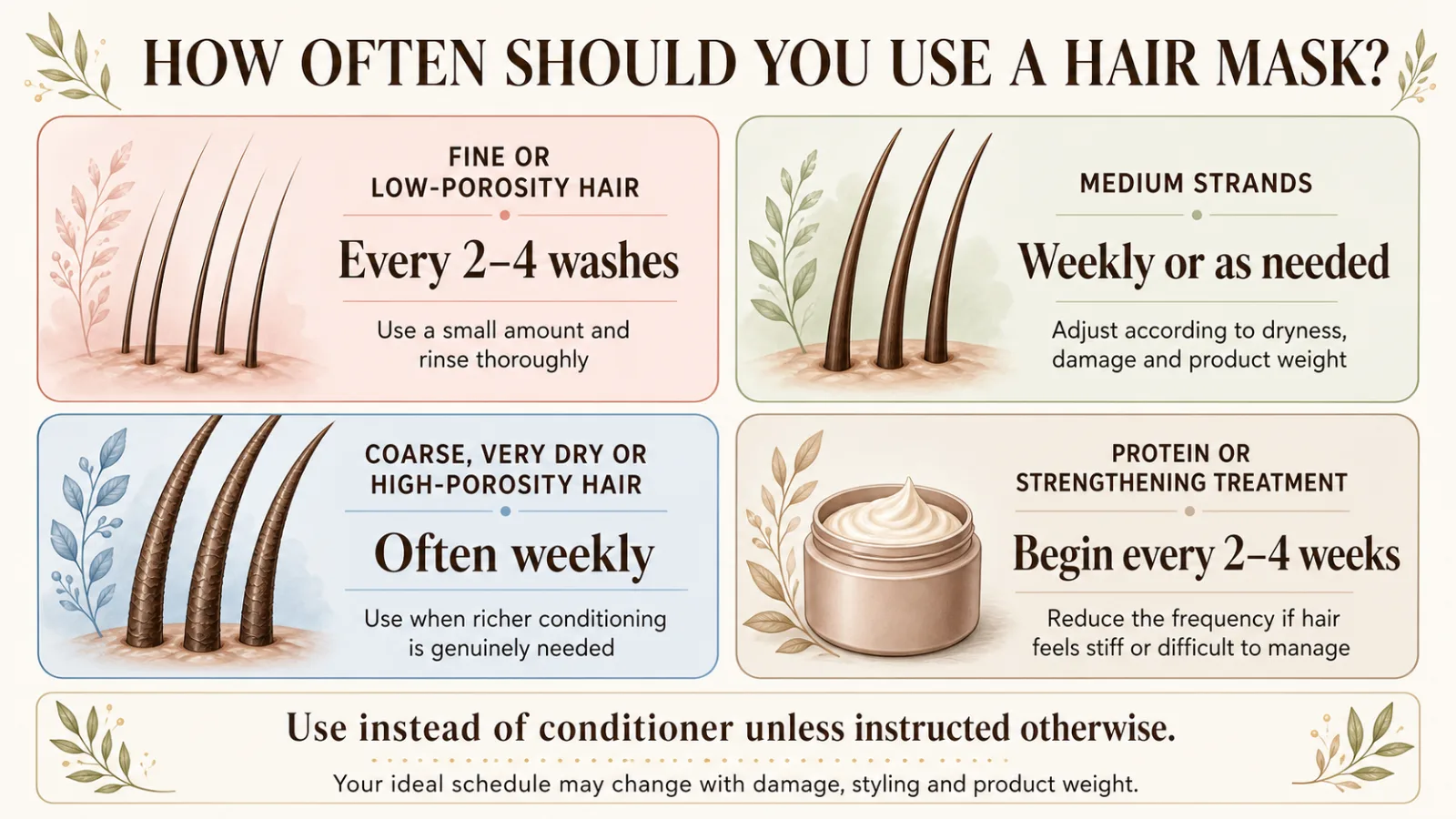
Start conservatively:
- Fine or low-porosity hair: use a small amount every two to four washes.
- Medium strands: begin about once a week or as needed.
- Coarse, very dry or high-porosity hair: use when needed, often weekly.
- Protein treatments: begin every two to four weeks unless the directions recommend otherwise.
Use a mask instead of conditioner, unless the product specifically instructs you to use both.
If hair becomes stiff, tangled, coated, limp or difficult to rinse clean, reduce the amount or frequency. That reaction does not prove a medical condition called “protein overload”; it suggests that the current formula or schedule is not suiting your hair.
The Bottom Line
Choose according to condition and strand thickness—not curl pattern.
Dryness without major damage usually calls for moisture. Bleached, relaxed or heat-weakened hair may benefit from protein. Hair experiencing both may suit a balanced mask.
Whichever you choose, start with a small amount, follow the stated processing time and judge the result by softness, manageability, volume and breakage over several washes.
Compare masks and conditioners using the Radiant Eden product comparison tool, or build a complete routine with the Radiant Eden Hair Routine Quiz.
Sources and further reading
- [On Hair Care Physicochemistry: From Structure and Degradation to Novel Biobased Conditioning Agents]
- [Hair Cosmetics for the Hair Loss Patient]
- This article provides general hair-care information. It cannot diagnose hair or scalp conditions or determine the cause of hair loss.*
Related products
Frequently asked
How can I tell whether my hair needs protein or moisture?+
Can low-porosity hair use protein?+
Can I use a hair mask instead of conditioner?+
How often should I use a protein hair mask?+
Are bond-repair masks the same as protein masks?+
Find your perfect haircare routine
Answer a few questions and we'll tailor Radiant Eden's picks to you.
Build my haircare routineKeep reading
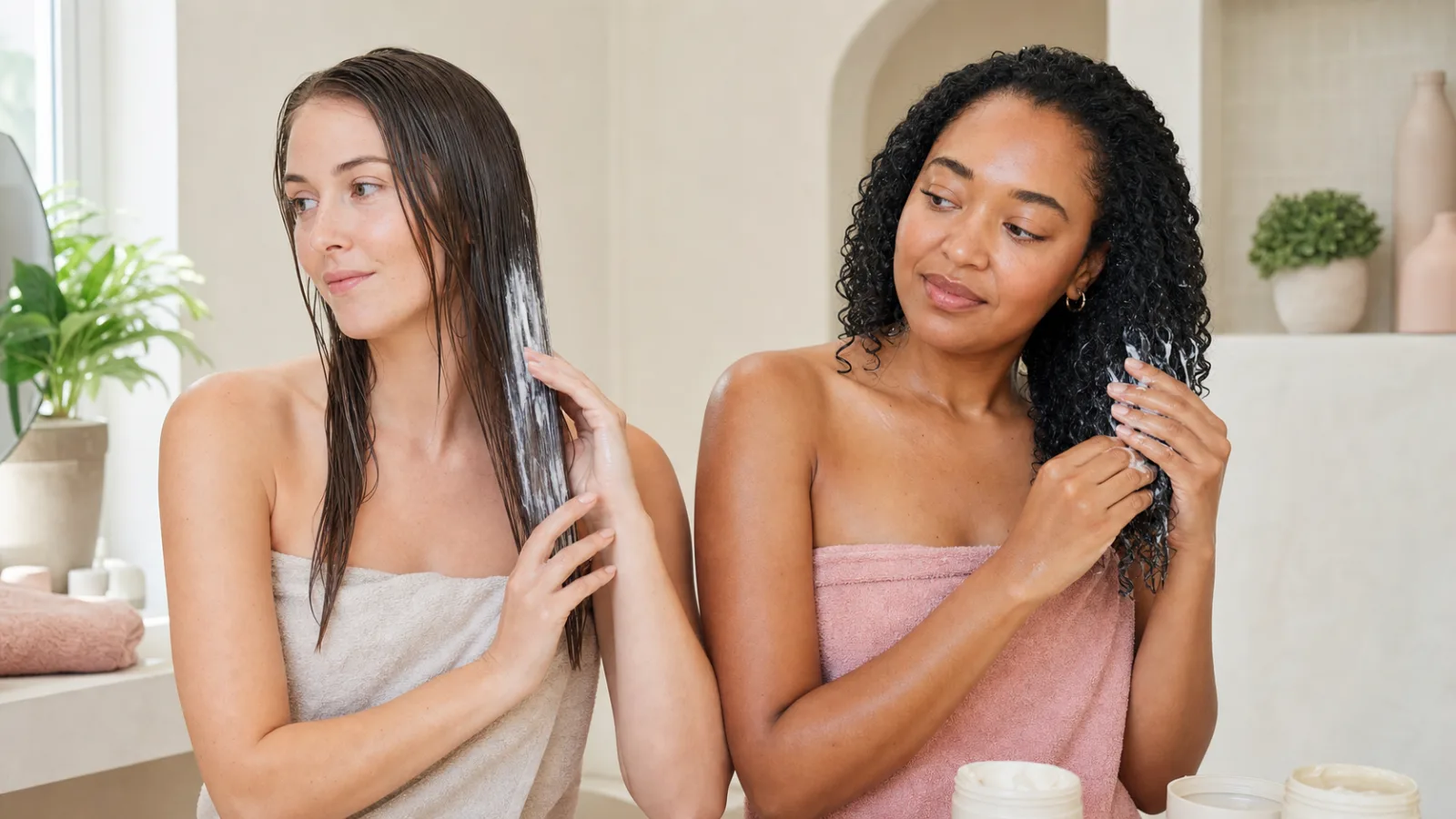
Best Hair Masks for Dry, Low-Porosity Hair Without Heavy Build-Up
Find the best lightweight masks for dry, low-porosity hair, with options for fine, medium and coarse strands that rinse away cleanly.
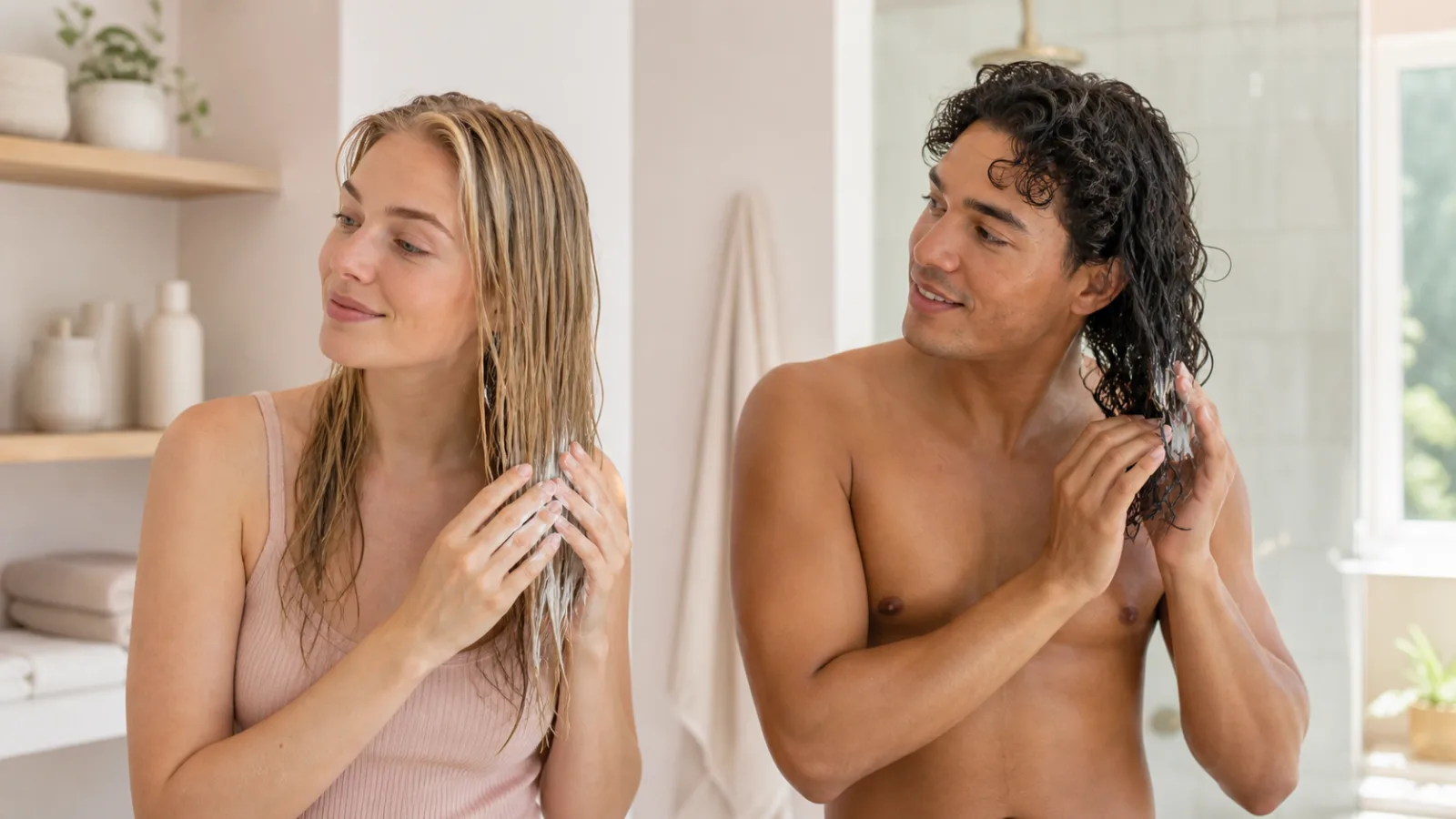
Best Conditioners for Fine Hair That Gets Weighed Down
Discover lightweight conditioners for fine hair, plus two occasional masks for dryness or damage, without sacrificing softness, movement or volume.
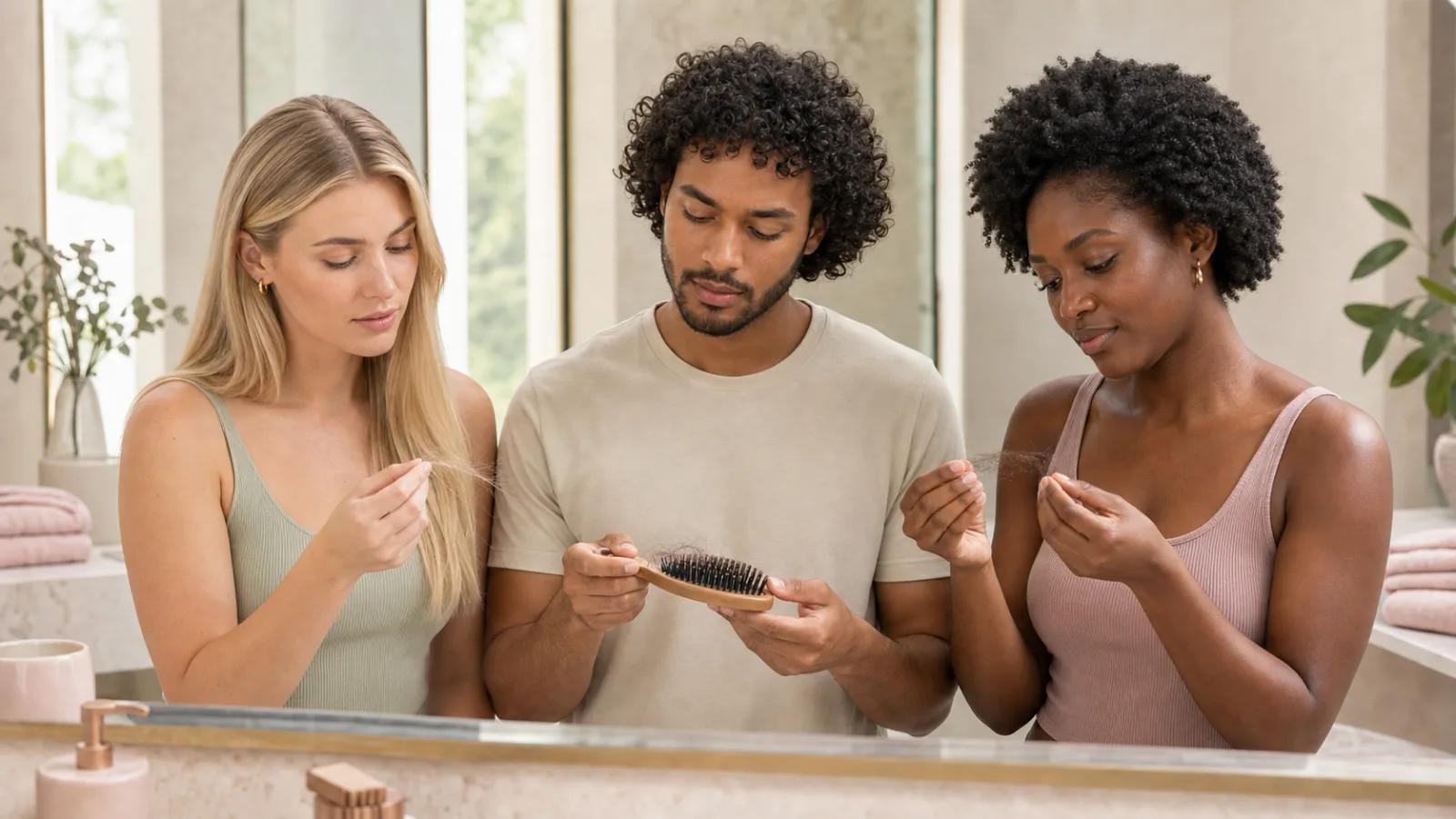
Hair Shedding vs Breakage: How to Tell What’s Actually Happening
Learn how to distinguish hair shedding from breakage, identify damaging styling habits and recognise when thinning or hair loss needs medical advice.
How to Build a Hair Care Routine for Your Hair Type
Build a hair care routine that suits your scalp, strand thickness, density, porosity and natural pattern, from straight and wavy to curly and coily.