Hair Porosity Explained: How to Test It and Choose the Right Products
A practical guide to low, medium and high porosity—and why strand thickness still matters.
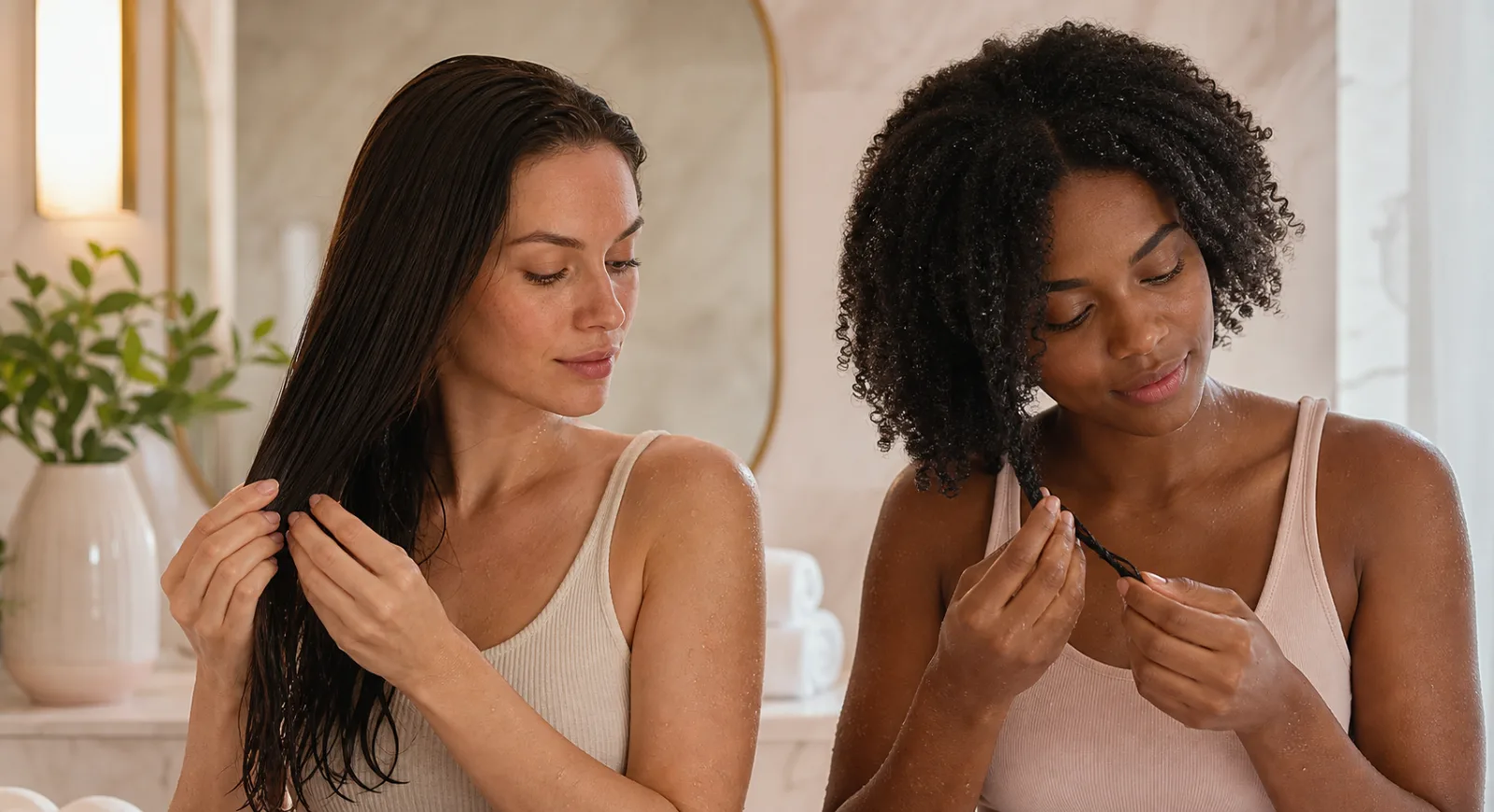
Learn how to assess hair porosity without relying on the float test, then choose product weight and protection for your strands.
Editor's shortlist


Hair porosity describes how readily your hair takes in and releases water. It can help explain why some products sit on your hair while others seem to disappear without providing enough softness.
However, porosity is only one part of the picture. Strand thickness, density, damage and scalp needs still matter—and the popular glass-of-water test is not as reliable as social media suggests.
The Quick Answer
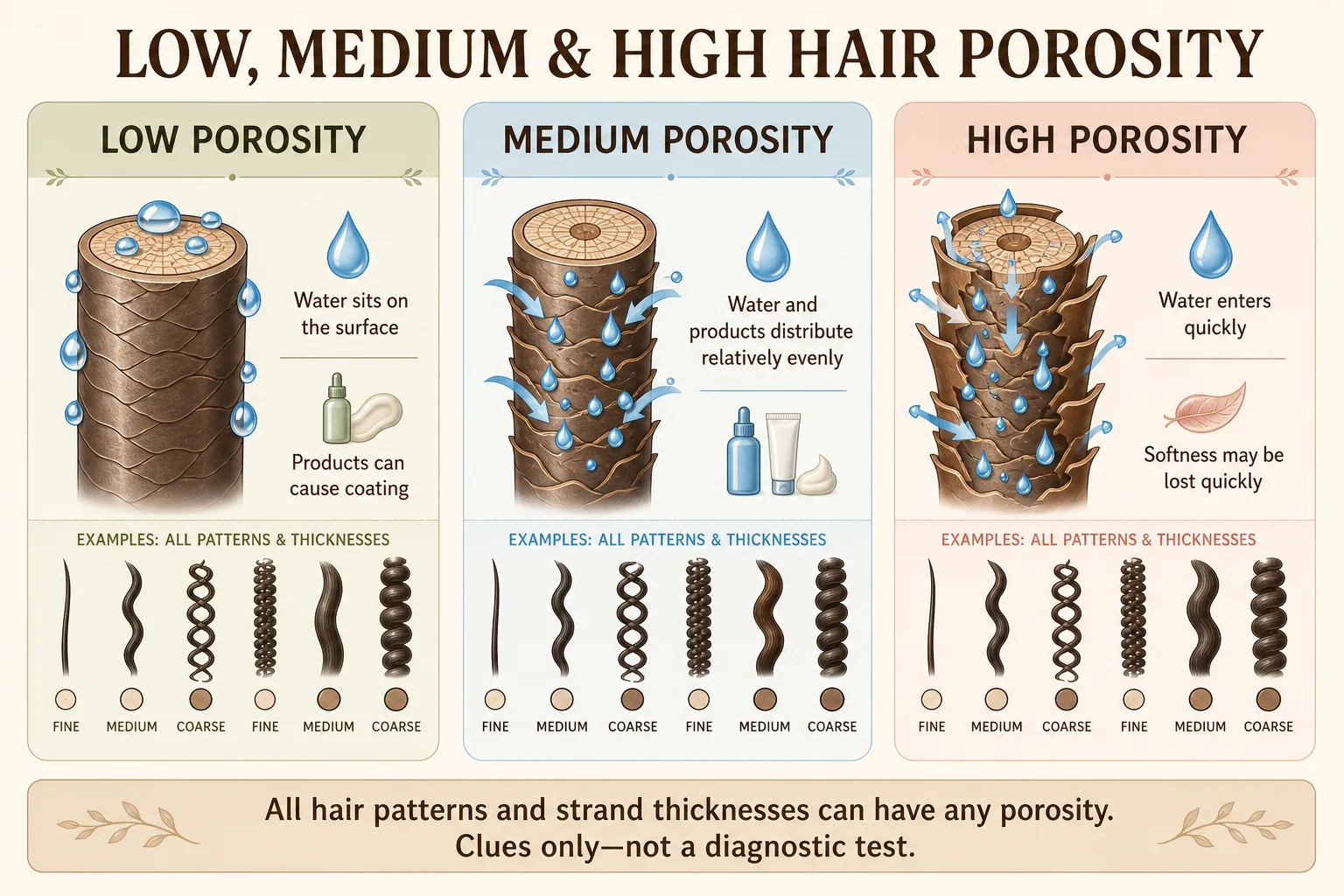
- Low-porosity hair: wets slowly and is easily coated. Choose lighter products, use smaller amounts and clarify when needed.
- Medium-porosity hair: usually wets, conditions and dries without major difficulty. Use balanced products and adjust for strand thickness.
- High-porosity hair: absorbs water quickly but may lose softness quickly too. Prioritise conditioning, lubrication and damage protection.
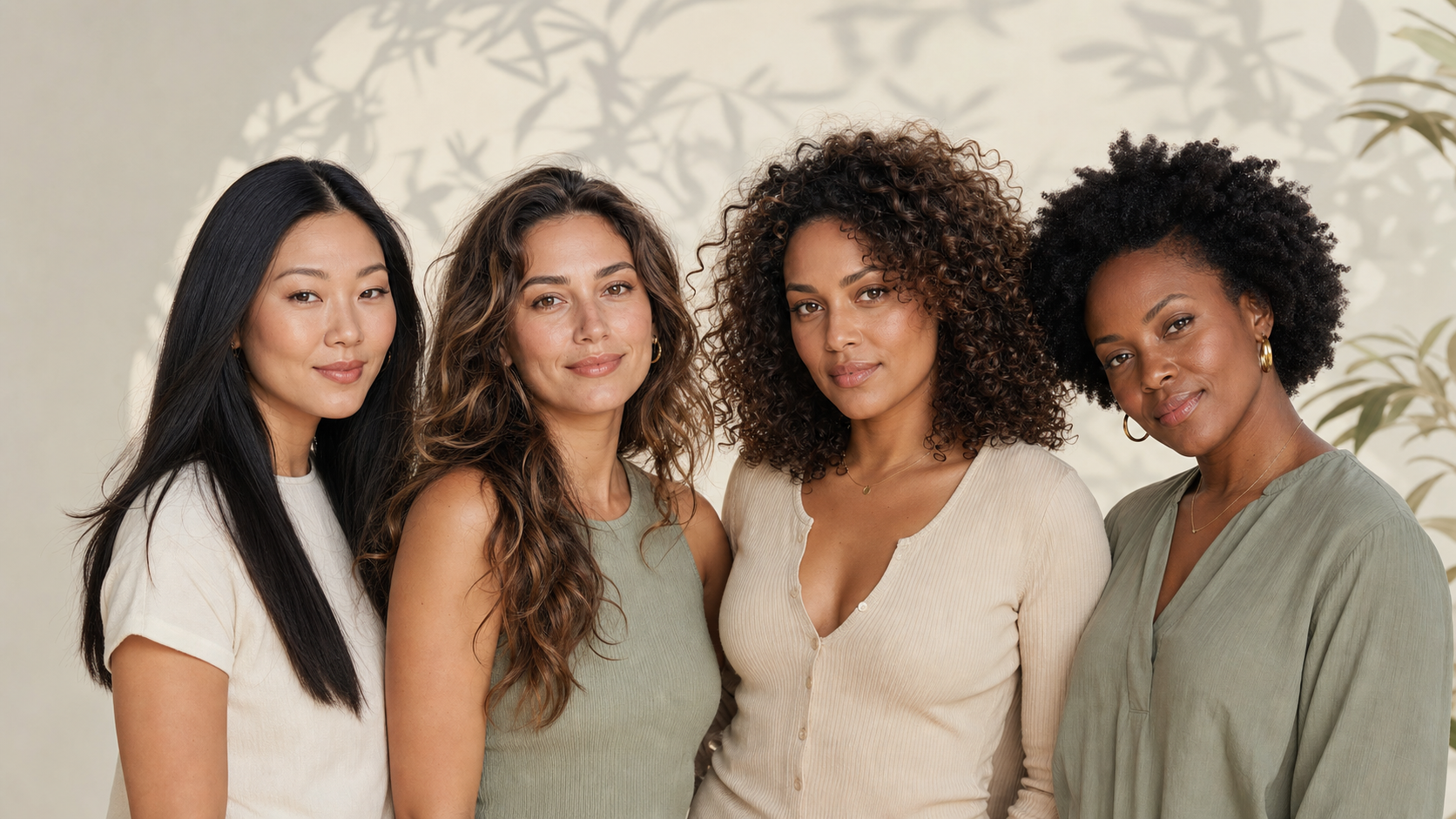
Porosity is not determined by curl pattern. Straight, wavy, curly and coily hair can all have low, medium or high porosity.
What Creates Hair Porosity?
The cuticle is the hair shaft’s protective outer layer. When the cuticle is relatively intact, water and products enter more slowly. As hair becomes weathered or damaged, the cuticle can become worn, cracked or lifted, increasing porosity.
Bleaching, permanent colour, chemical straightening, excessive heat, sunlight and mechanical wear can all increase damage. The ends may therefore be more porous than the newer hair near your roots. Research has found that weathered hair can release moisture more quickly than intact hair. Hair Cosmetics: An Overview, hair-weathering study.
Is the Hair Float Test Accurate?
The float test involves placing a loose strand in water and watching whether it floats or sinks. Floating is said to indicate low porosity, while sinking supposedly indicates high porosity.
Unfortunately, the result can be affected by:
- Surface tension.
- Air trapped around the strand.
- Oil, silicone or styling residue.
- How clean the hair is.
- The strand’s thickness.
- How long you wait.
It cannot accurately represent every section of your hair. Treat it as an experiment, not a diagnosis.
The spray-bottle test has similar limitations. Water beading on the surface may suggest low porosity, but oil or product build-up can create the same effect.
A Better At-Home Porosity Check
Observe how your hair behaves over several normal washes.
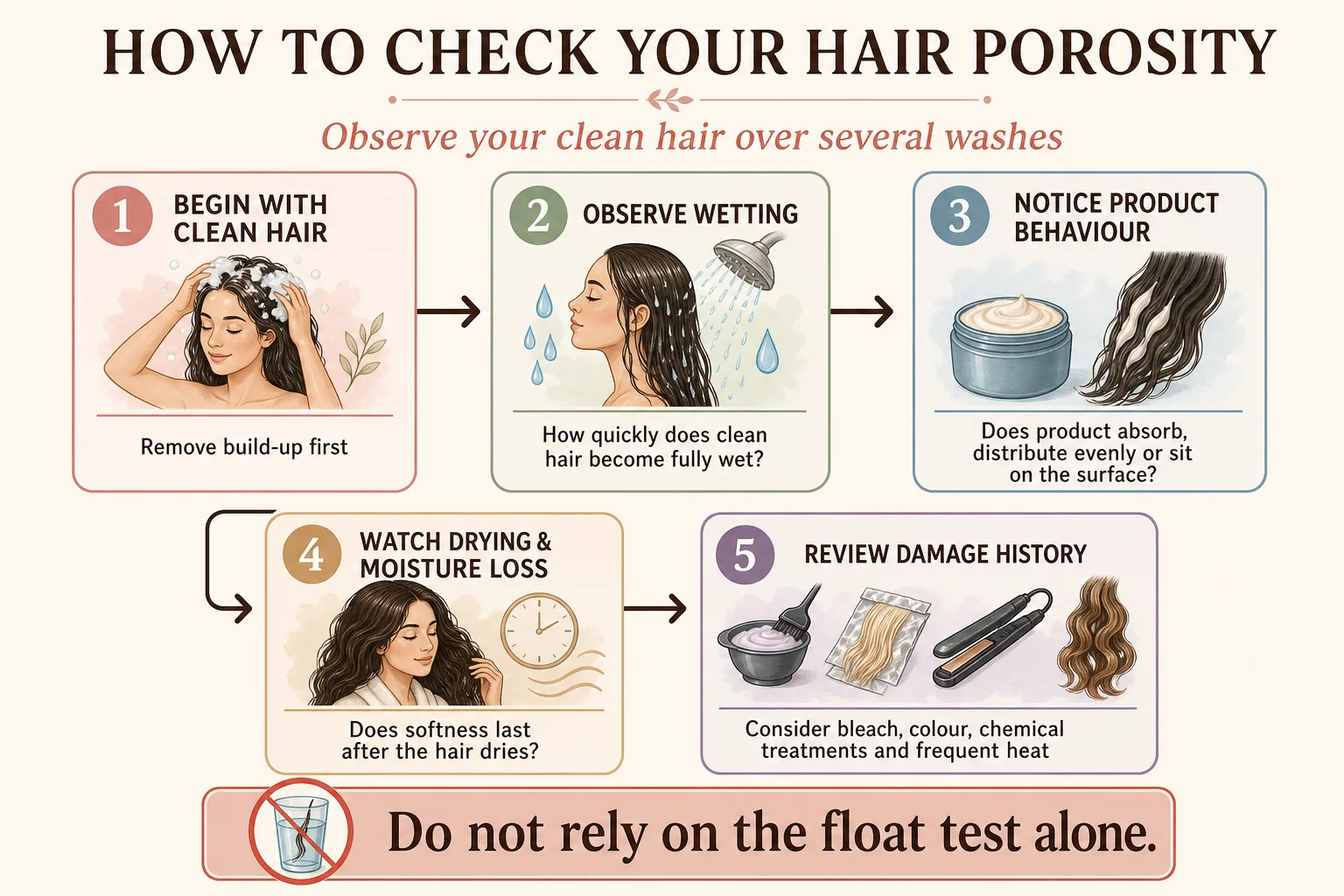
1. Begin with clean hair
If you use oils, butters, silicones, dry shampoo or several styling products, wash thoroughly before judging your porosity.
Persistent coating can make medium- or high-porosity hair behave as though water cannot enter it. An occasional clarifying shampoo, such as Living Proof Clarifying Detox Shampoo, can help when build-up is genuinely present.
2. Notice how easily the hair becomes wet
Possible low-porosity clues:
- Water beads on clean hair before soaking in.
- Dense sections take time to become fully wet.
- Conditioner needs plenty of water to distribute evenly.
Possible high-porosity clues:
- Hair becomes saturated very quickly.
- Bleached or damaged sections absorb water faster than the roots.
- Hair swells, frizzes or tangles easily when wet.
3. Observe how products behave
Low-porosity hair may feel coated after rich masks, oils or layered leave-ins. High-porosity hair may initially absorb products but feel rough again soon afterwards.
The goal is not to make hair absorb the greatest possible amount of product. It is to achieve softness, flexibility and manageable hair without coating or excessive weight.
4. Consider your damage history
Bleaching, relaxing, perming, permanent colouring and frequent high heat make increased porosity more likely. Research shows that bleaching changes the hair’s water behaviour and can damage the cuticle and internal structure. Water uptake in untreated and bleached hair.
Products for Low-Porosity Hair
Low-porosity hair often responds best to:
- A shampoo strong enough to prevent build-up.
- A lightweight rinse-out conditioner.
- A light spray or fluid leave-in.
- Small amounts of serum or oil where needed.
- An occasional lightweight mask rather than a rich mask every week.
Apply conditioner or a mask to wet hair and add more water before adding more product. Gentle warmth may help distribute a treatment, but extremely hot water is unnecessary.
See Best Hair Masks for Dry, Low-Porosity Hair Without Heavy Build-Up for specific recommendations.
Products for High-Porosity Hair
High-porosity hair may benefit from:
- A shampoo that cleans the scalp without unnecessarily roughening the lengths.
- A richer conditioner or mask.
- A leave-in conditioner for continued lubrication.
- A light finishing serum or oil to reduce friction.
- Strengthening or bond-support products when chemical or heat damage is present.
Olaplex Rich Hydration Mask is a rich option for dry, porous, medium-to-coarse strands. Redken Acidic Bonding Concentrate 5-Minute Liquid Mask may be more appropriate when damage and weakness accompany dryness.
High porosity does not automatically mean your hair needs protein. Choose between strengthening and moisture according to how the hair feels and its damage history. See Protein or Moisture? How to Choose the Right Hair Mask.
What About Medium-Porosity Hair?
If your hair wets easily, holds styles reasonably well and remains soft without becoming heavily coated, you may not need a porosity-specific routine.
Use a balanced shampoo and conditioner, then adjust the product weight according to strand thickness:
- Fine hair: sprays, fluids and lightweight conditioners.
- Medium hair: moderate creams and conditioners.
- Coarse hair: richer conditioners, masks and leave-ins where needed.
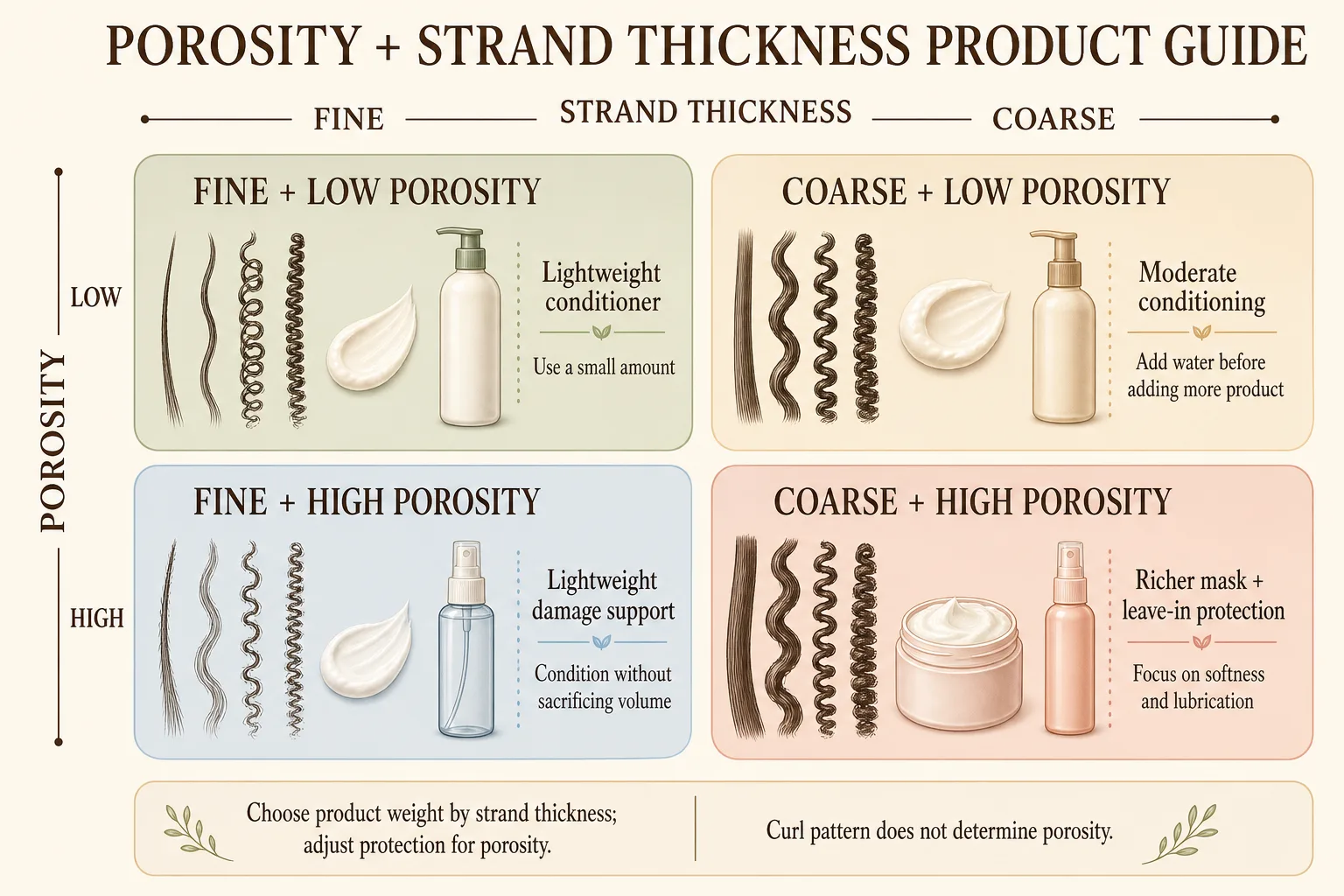
Porosity and Strand Thickness Must Work Together
Two people with low-porosity hair may need completely different products.
Fine, low-porosity hair is particularly easy to weigh down. Coarse, low-porosity hair may tolerate richer conditioning but still needs careful application and thorough rinsing.
Fine, high-porosity hair may need damage support without heavy butter-based formulas. Coarse, high-porosity hair may benefit from richer conditioning and more leave-in protection.
If a mask leaves your hair greasy, flat or still dry, see Why Your Hair Mask Leaves Your Hair Coated, Greasy or Still Dry.
The Quick Routine Builder
Choose products in this order:
- Scalp needs: select the correct cleansing type and frequency.
- Strand thickness: decide how light or rich products should be.
- Porosity and condition: adjust the amount of conditioning and protection.
- Damage history: add strengthening support only when it is relevant.
- Hair pattern and preferred style: choose the styling technique and hold.
Porosity is useful, but it should refine your routine rather than control every decision.
Build a personalised routine using your scalp, strand thickness, porosity, damage and styling habits with the Radiant Eden Hair Routine Quiz.
Sources
Related products
Frequently asked
Is the hair float test accurate?+
Can curly or coily hair have low porosity?+
Can hair porosity change?+
Does high-porosity hair always need protein?+
Find your perfect haircare routine
Answer a few questions and we'll tailor Radiant Eden's picks to you.
Build my haircare routineKeep reading
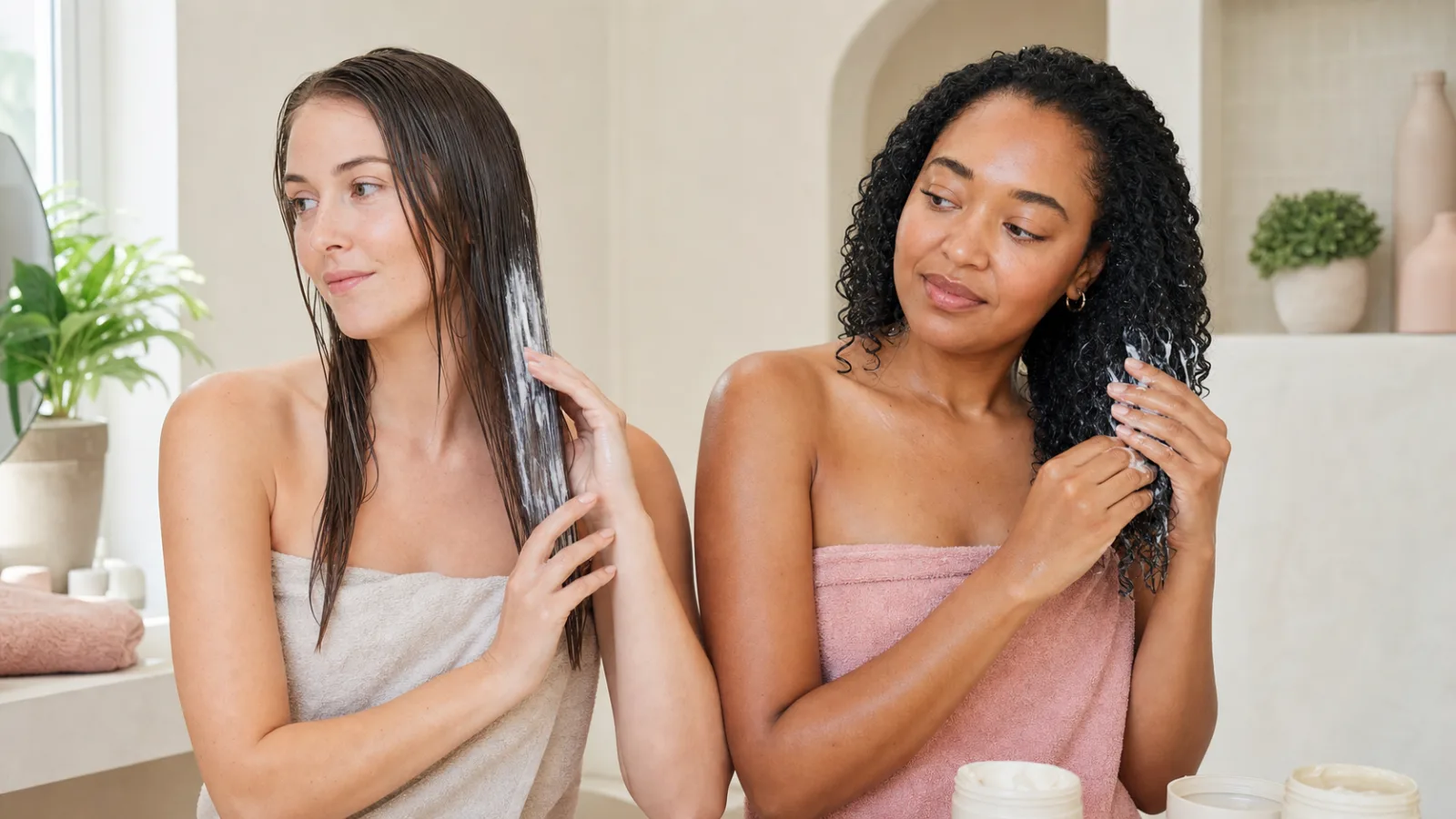
Best Hair Masks for Dry, Low-Porosity Hair Without Heavy Build-Up
Find the best lightweight masks for dry, low-porosity hair, with options for fine, medium and coarse strands that rinse away cleanly.
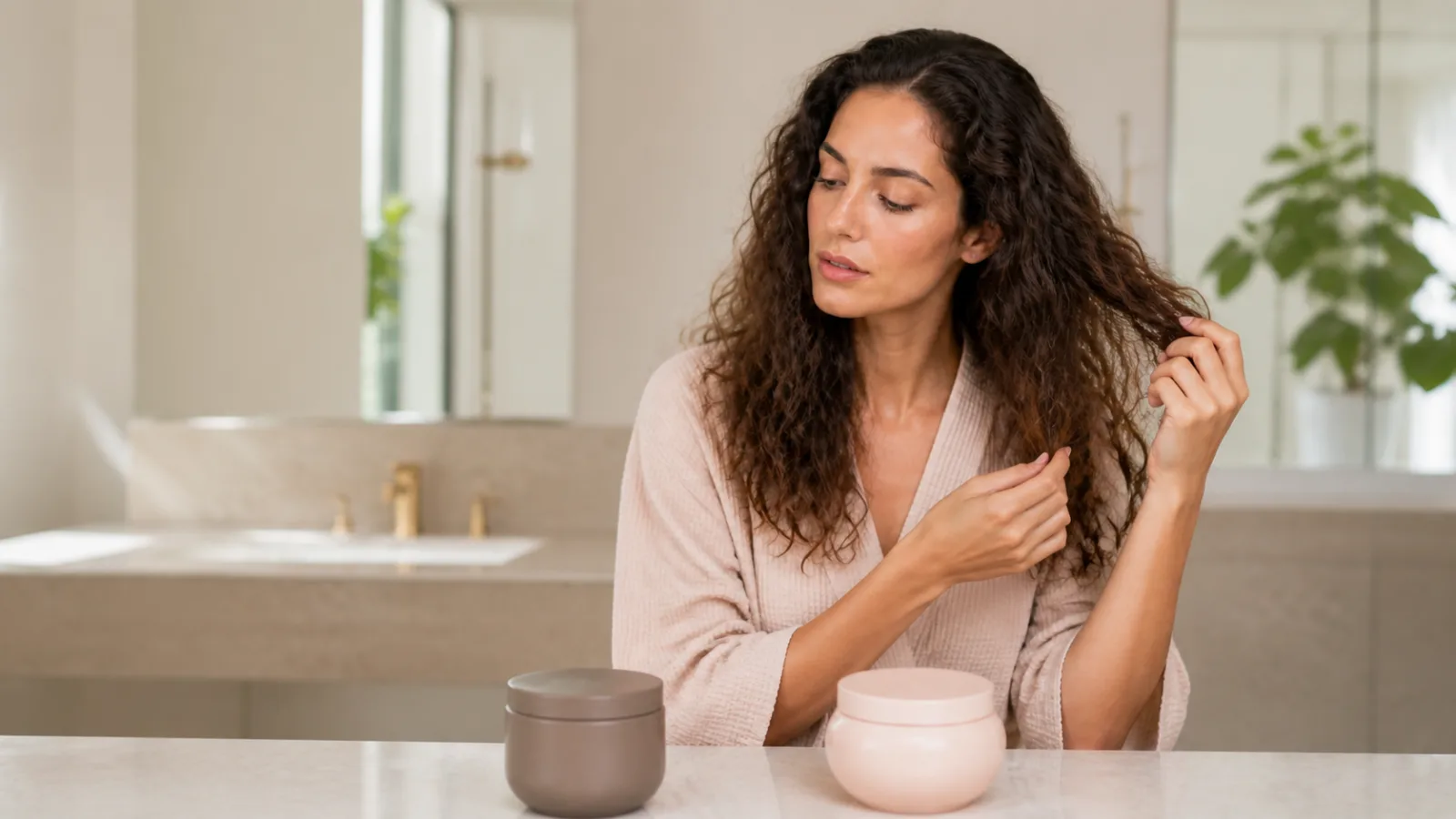
Protein or Moisture? How to Choose the Right Hair Mask
Learn whether your hair needs a protein, moisturising or balanced mask, with practical recommendations for different strands and damage levels.
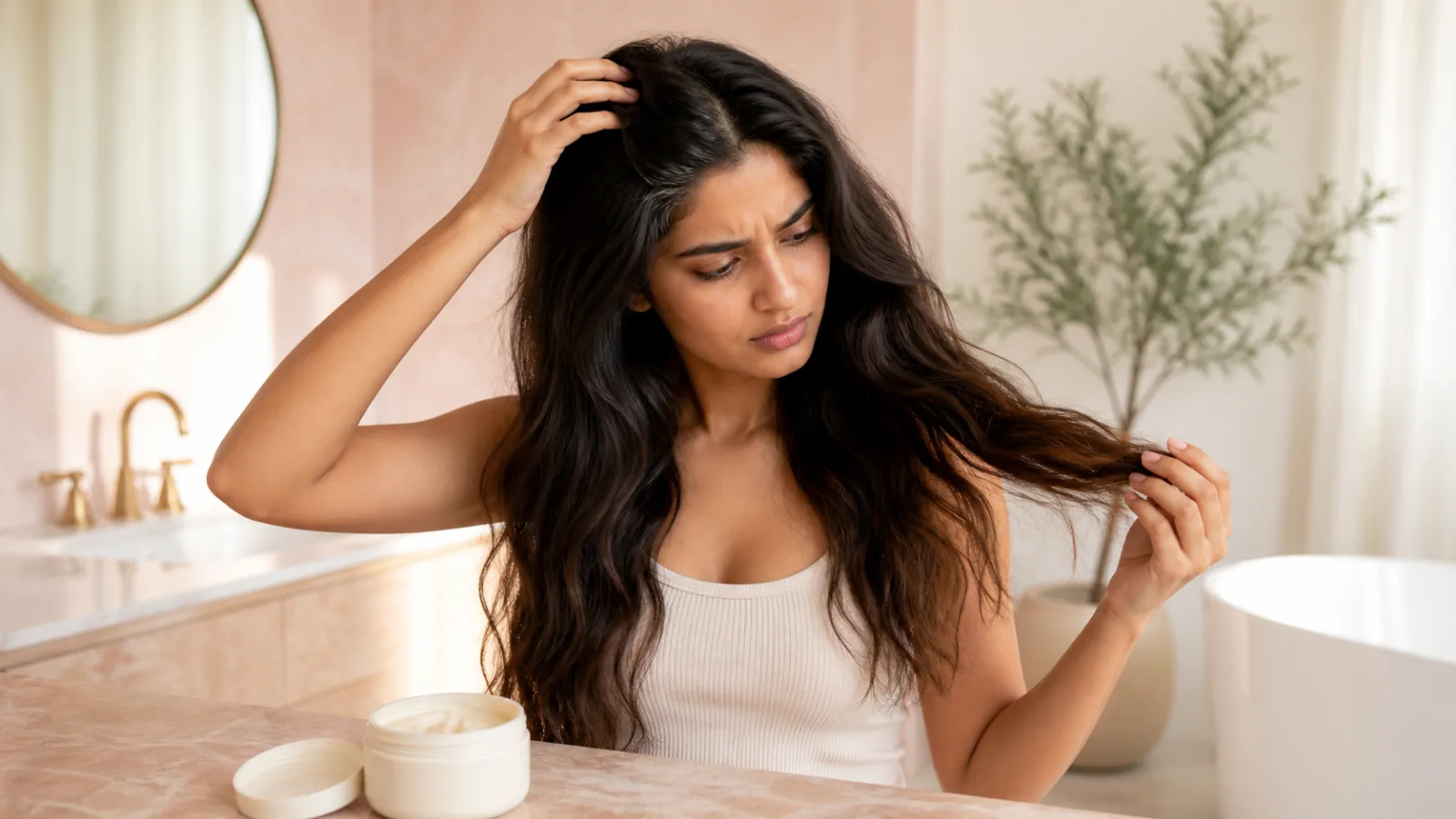
Why Your Hair Mask Leaves Your Hair Coated, Greasy or Still Dry
Find out why a hair mask can leave your hair coated, greasy, flat or still dry—and how to adjust the product, amount and technique.
How to Build a Hair Care Routine for Your Hair Type
Build a hair care routine that suits your scalp, strand thickness, density, porosity and natural pattern, from straight and wavy to curly and coily.